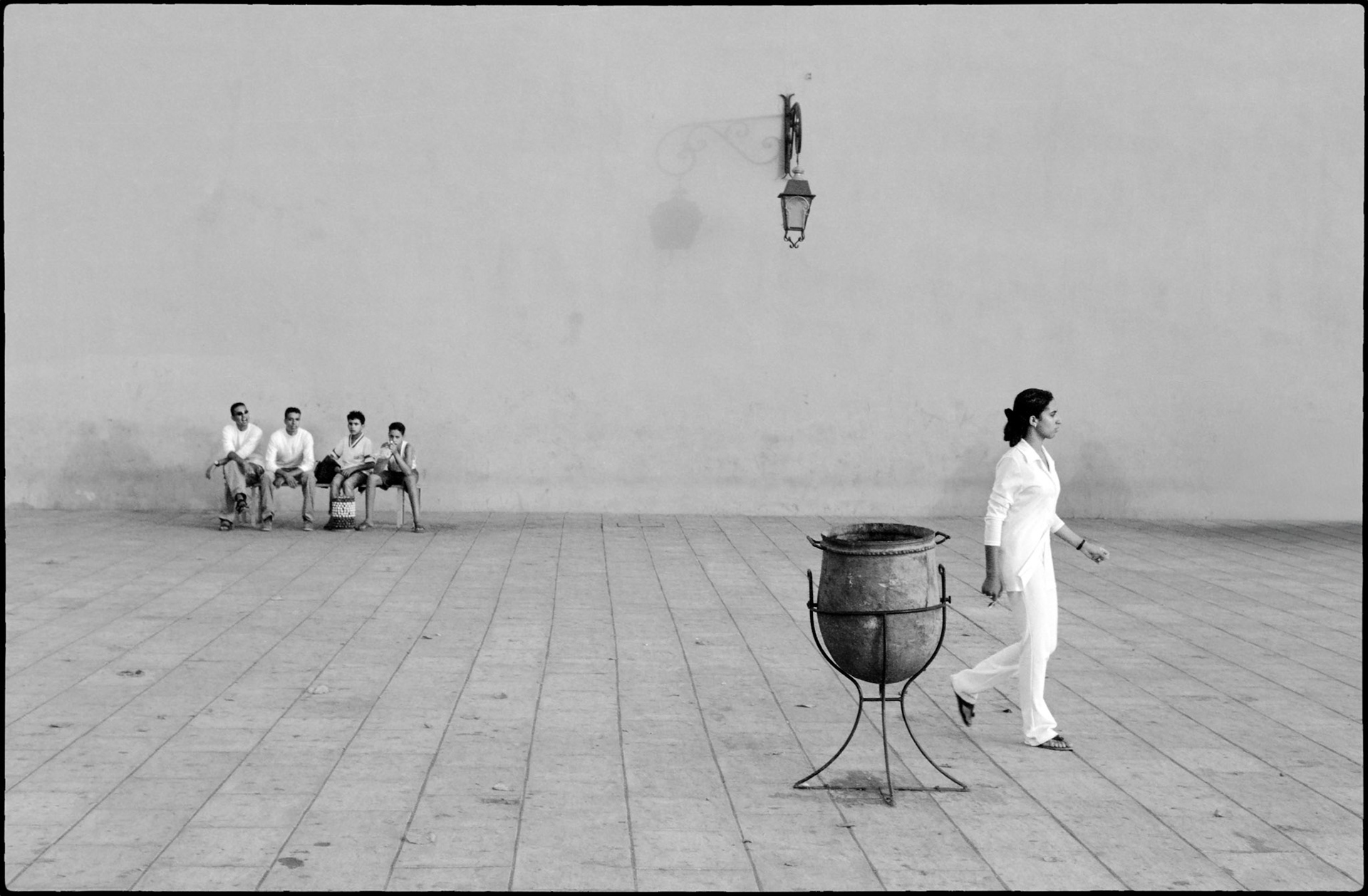
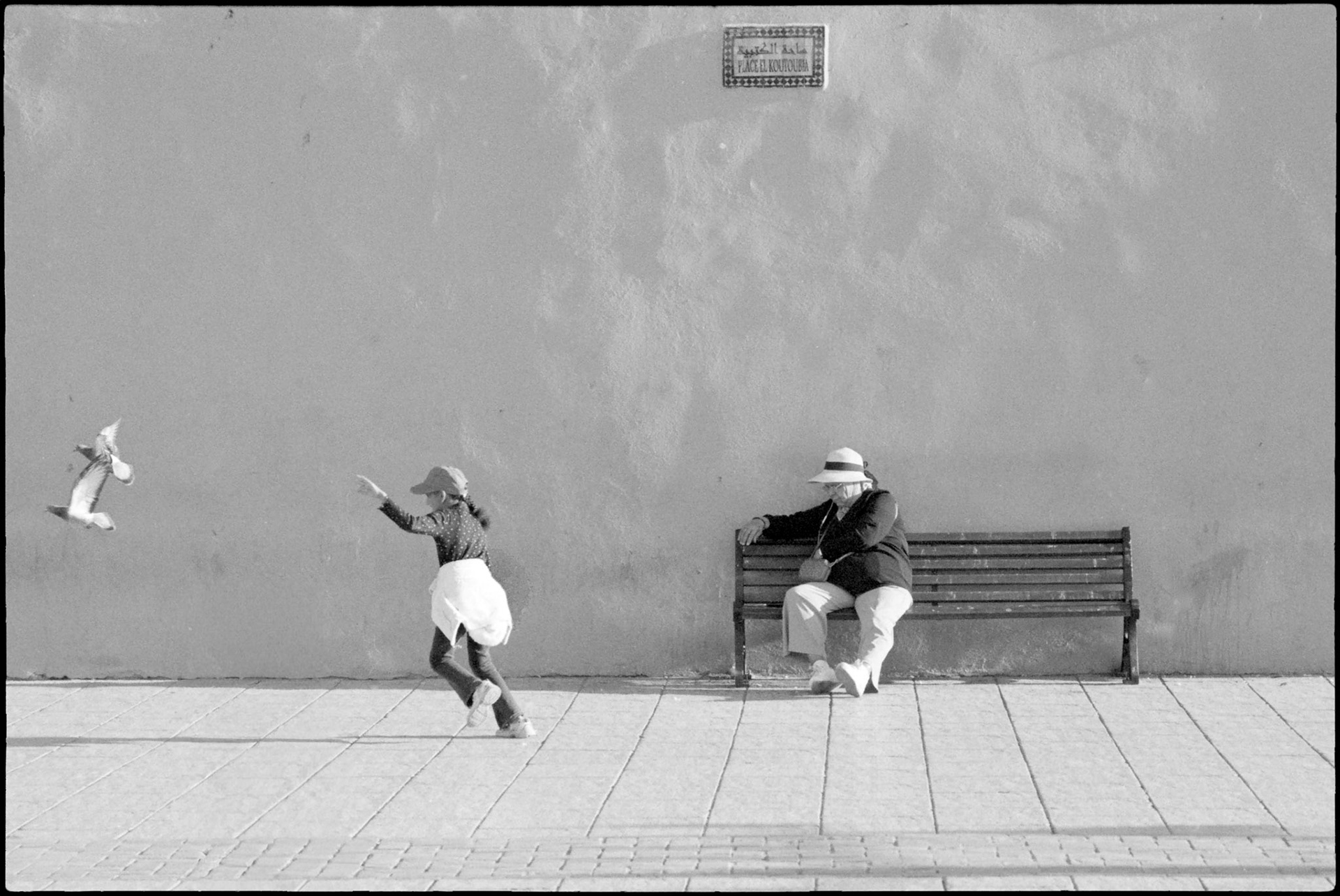
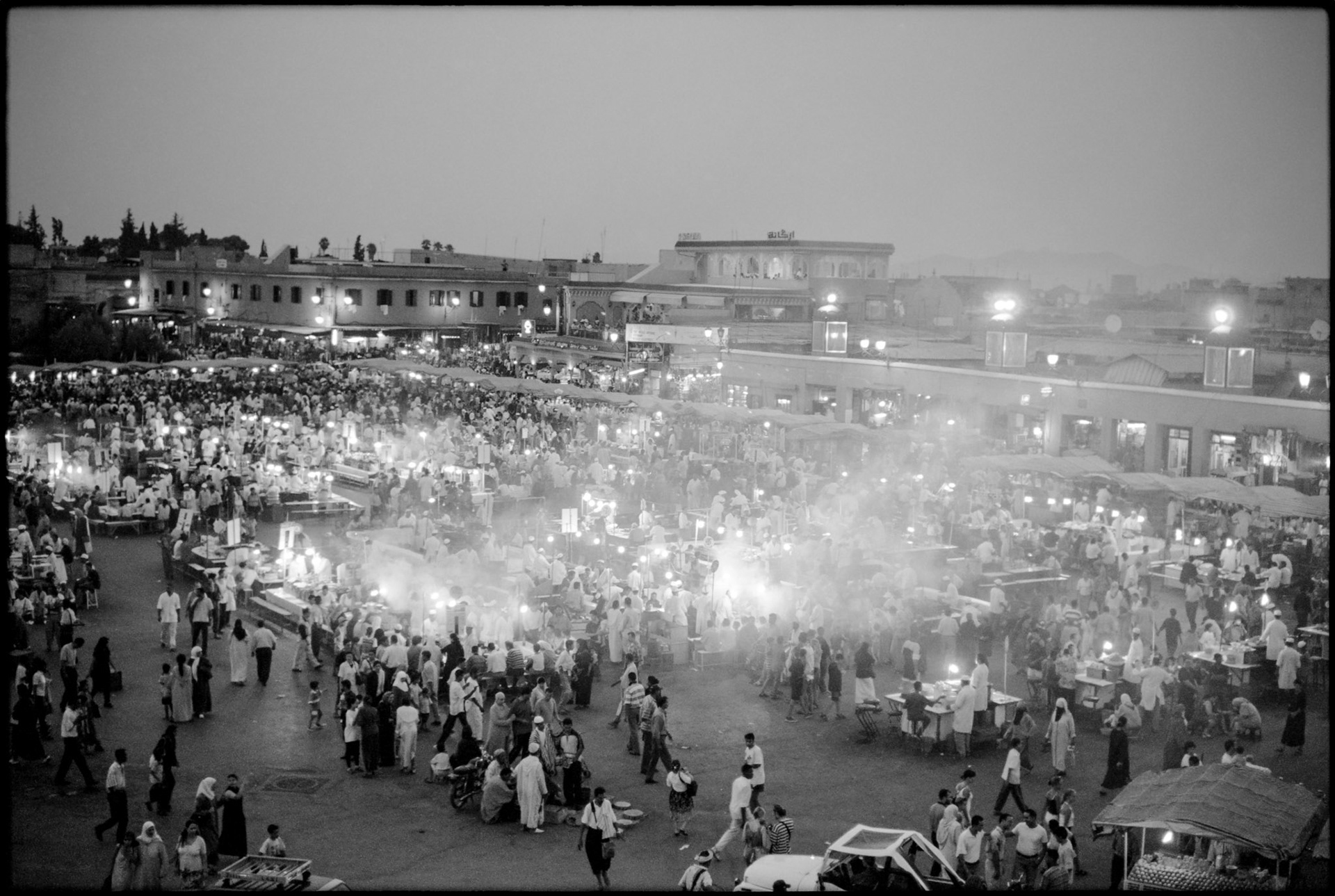
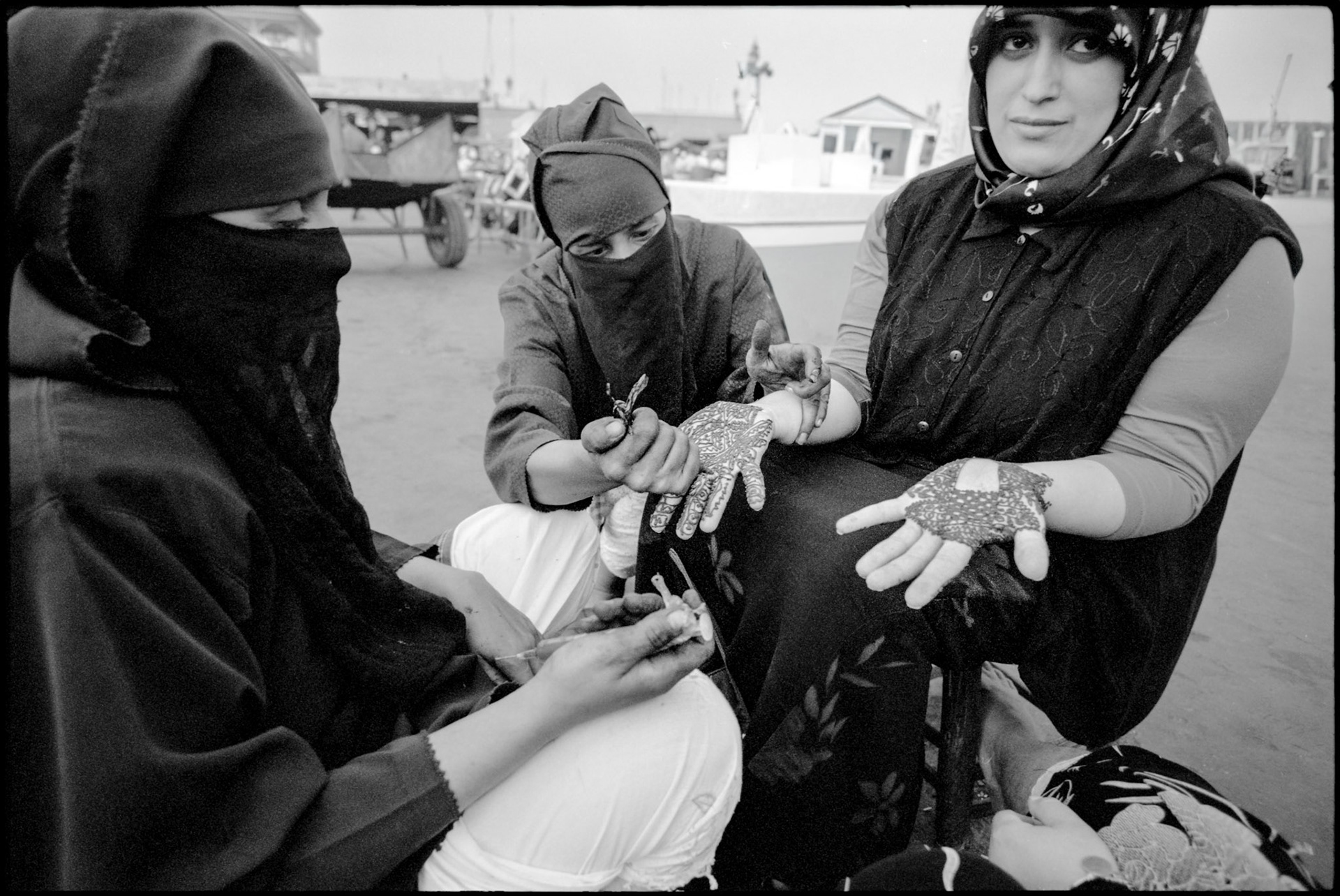
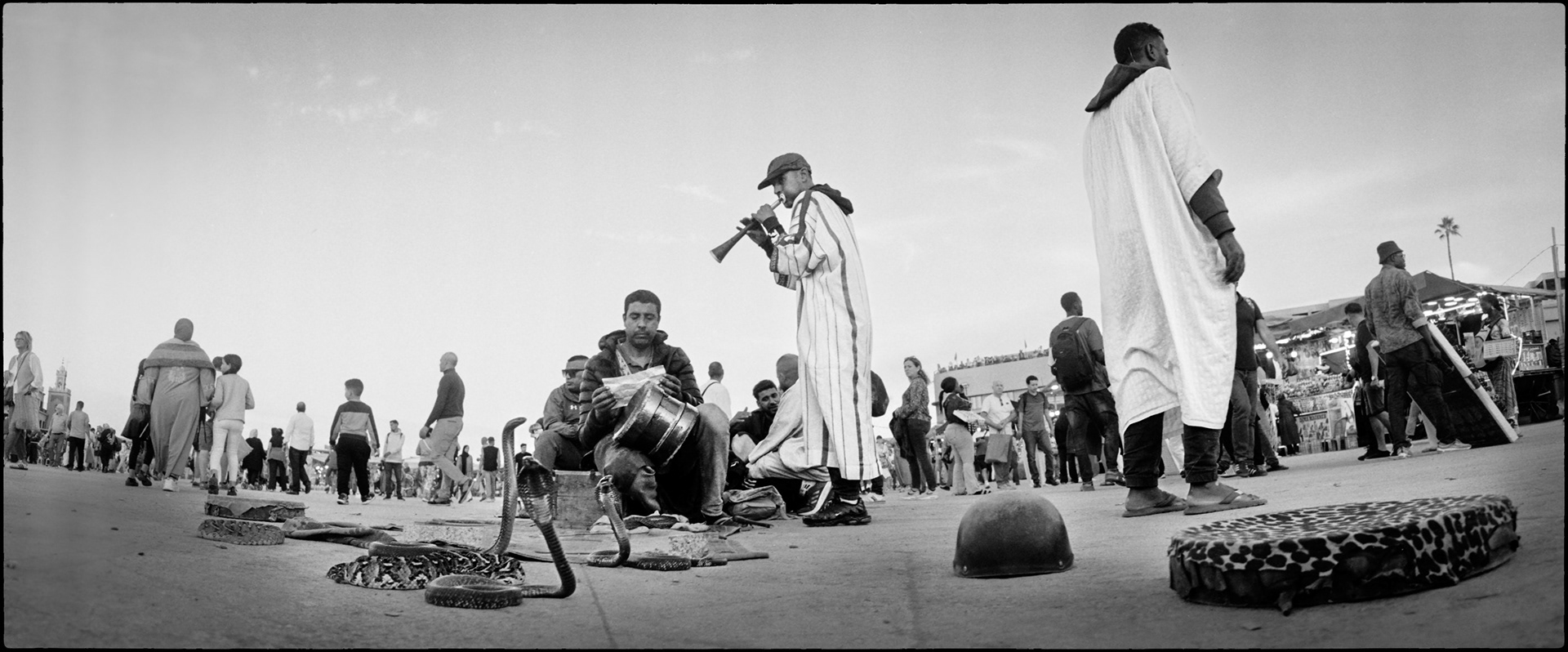
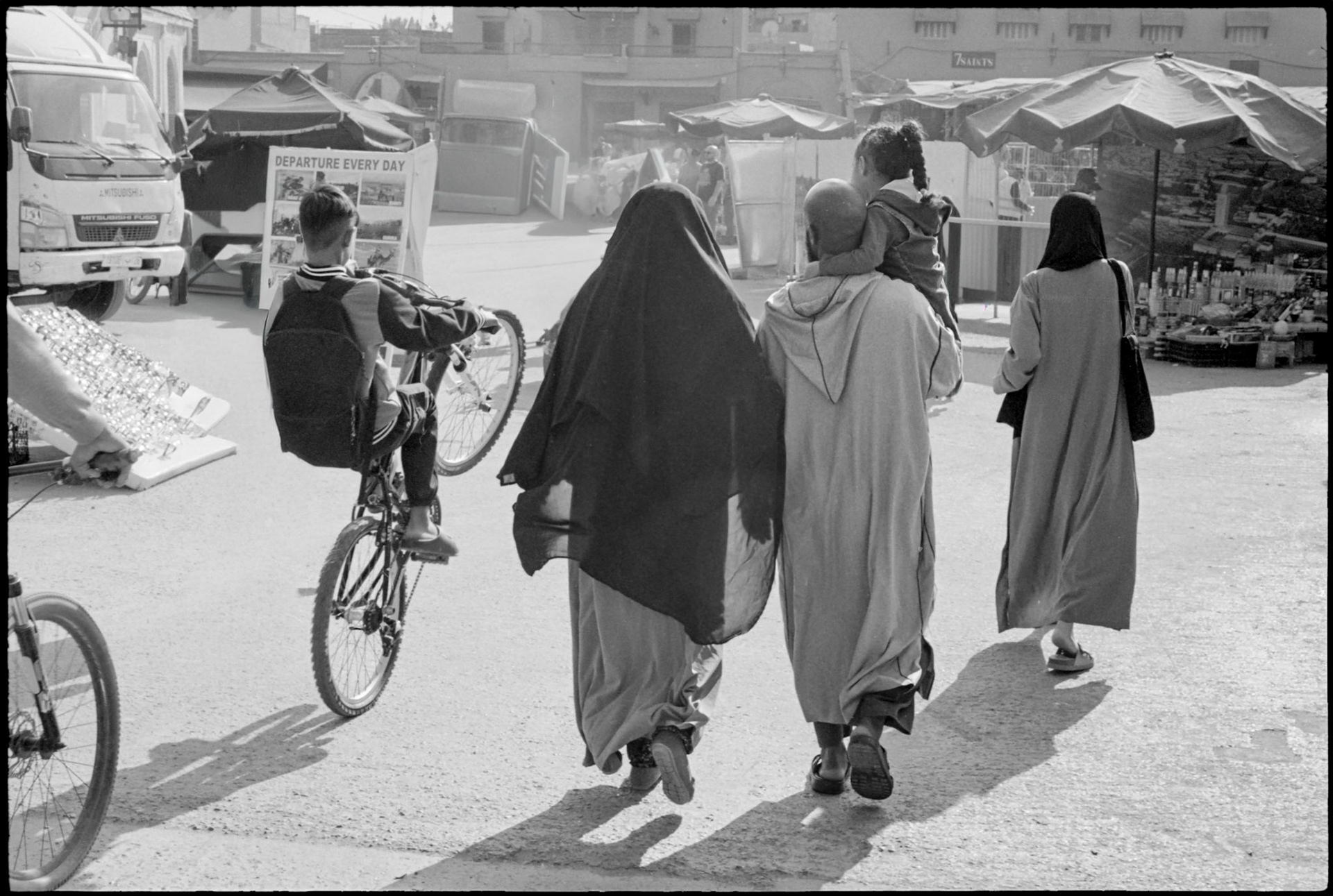
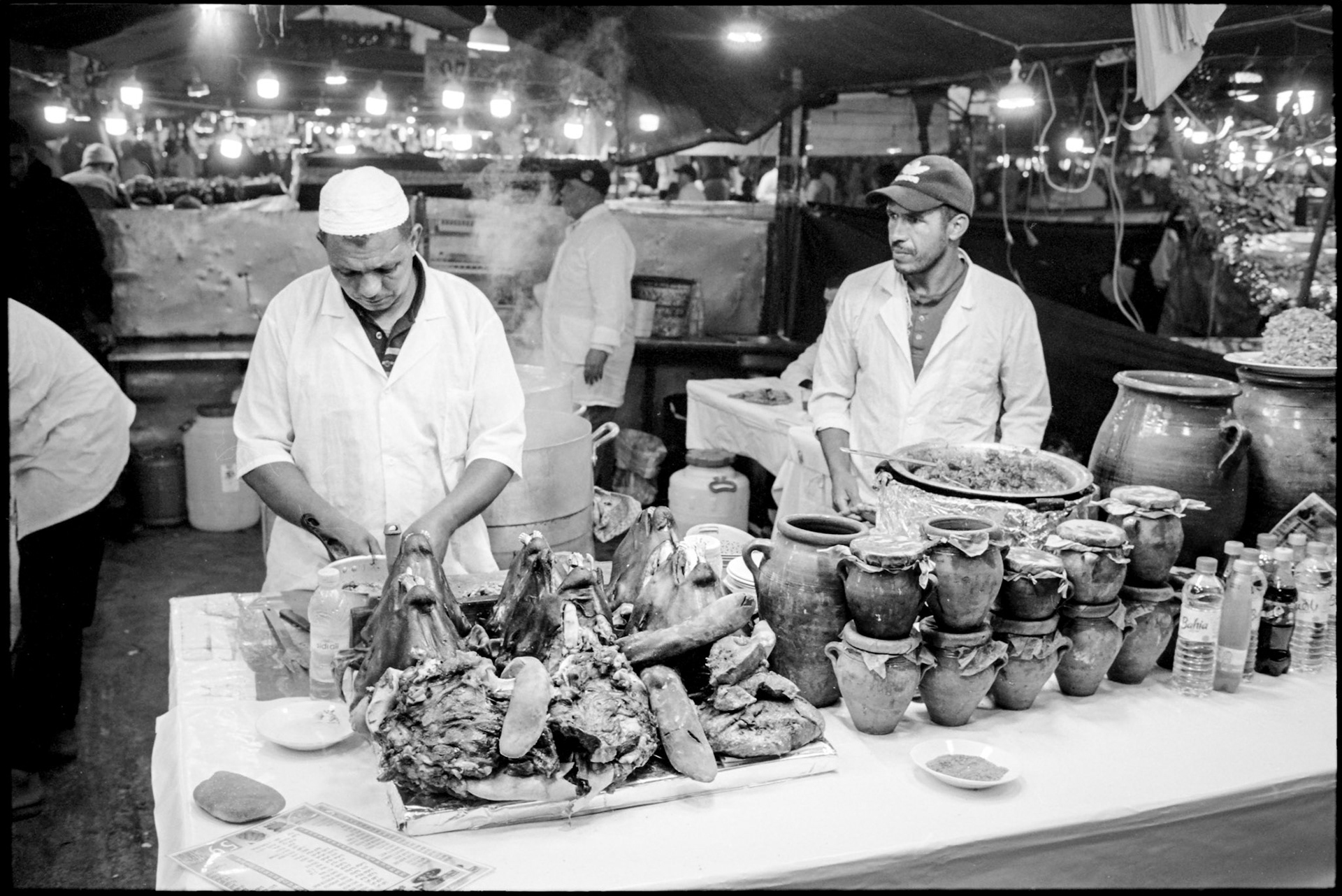
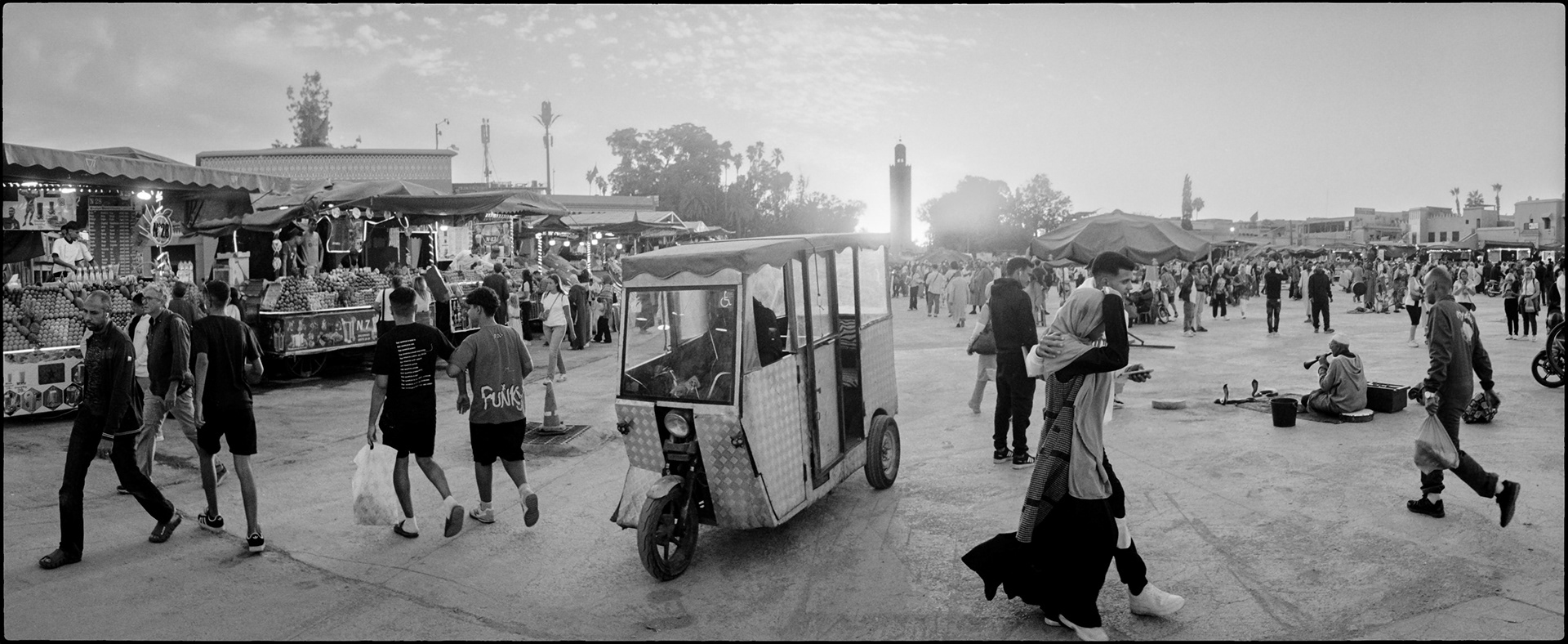
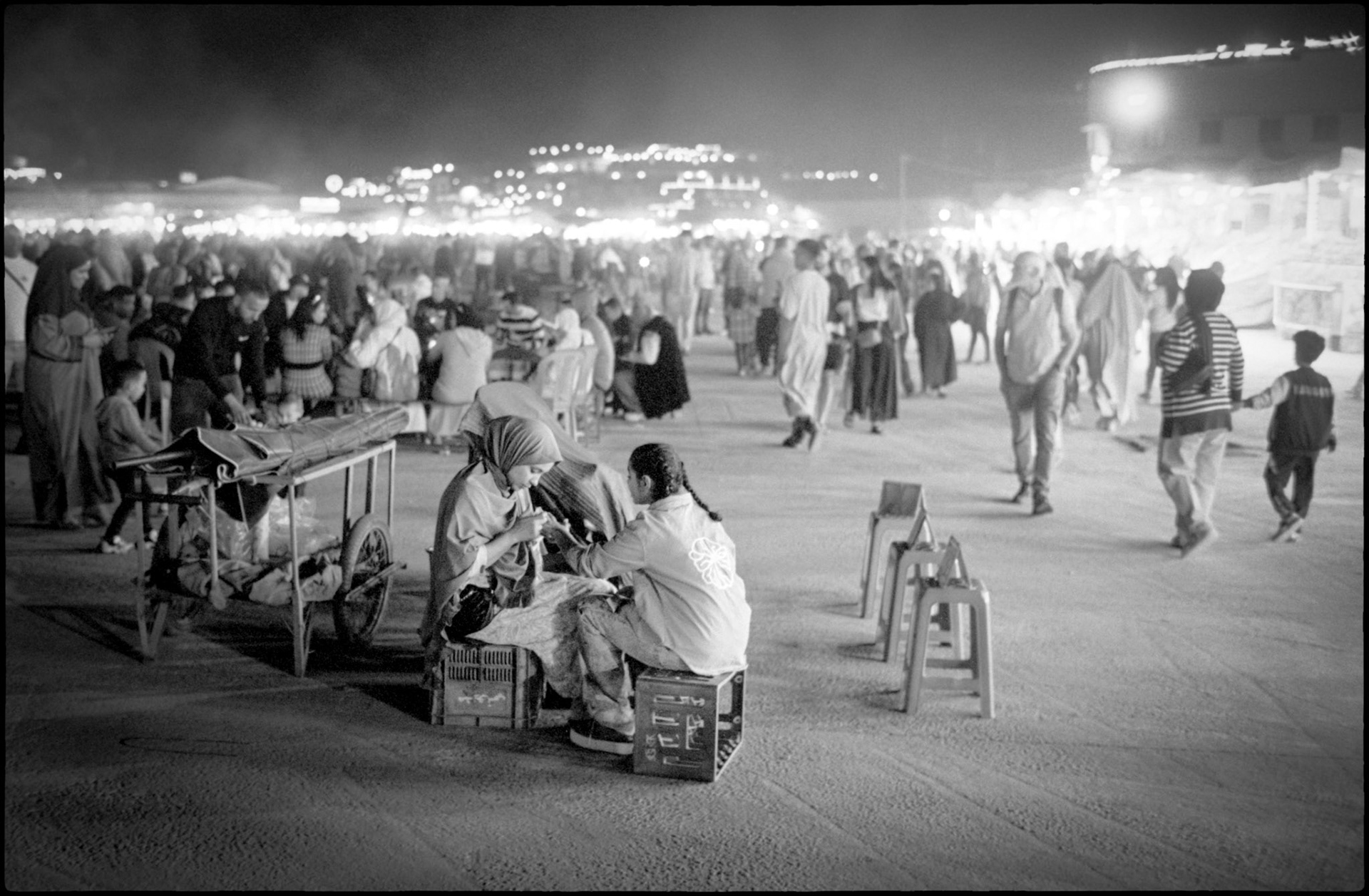
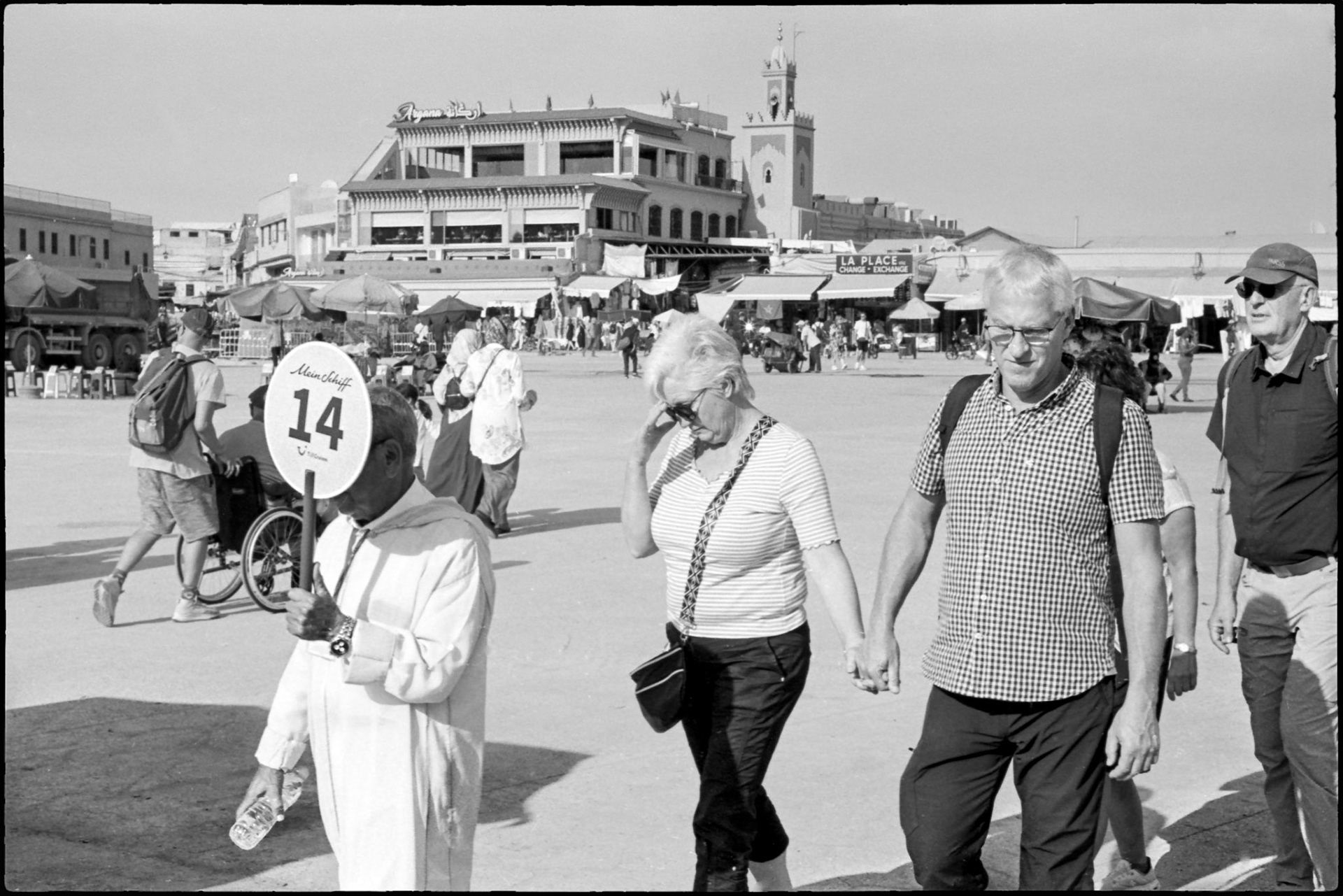
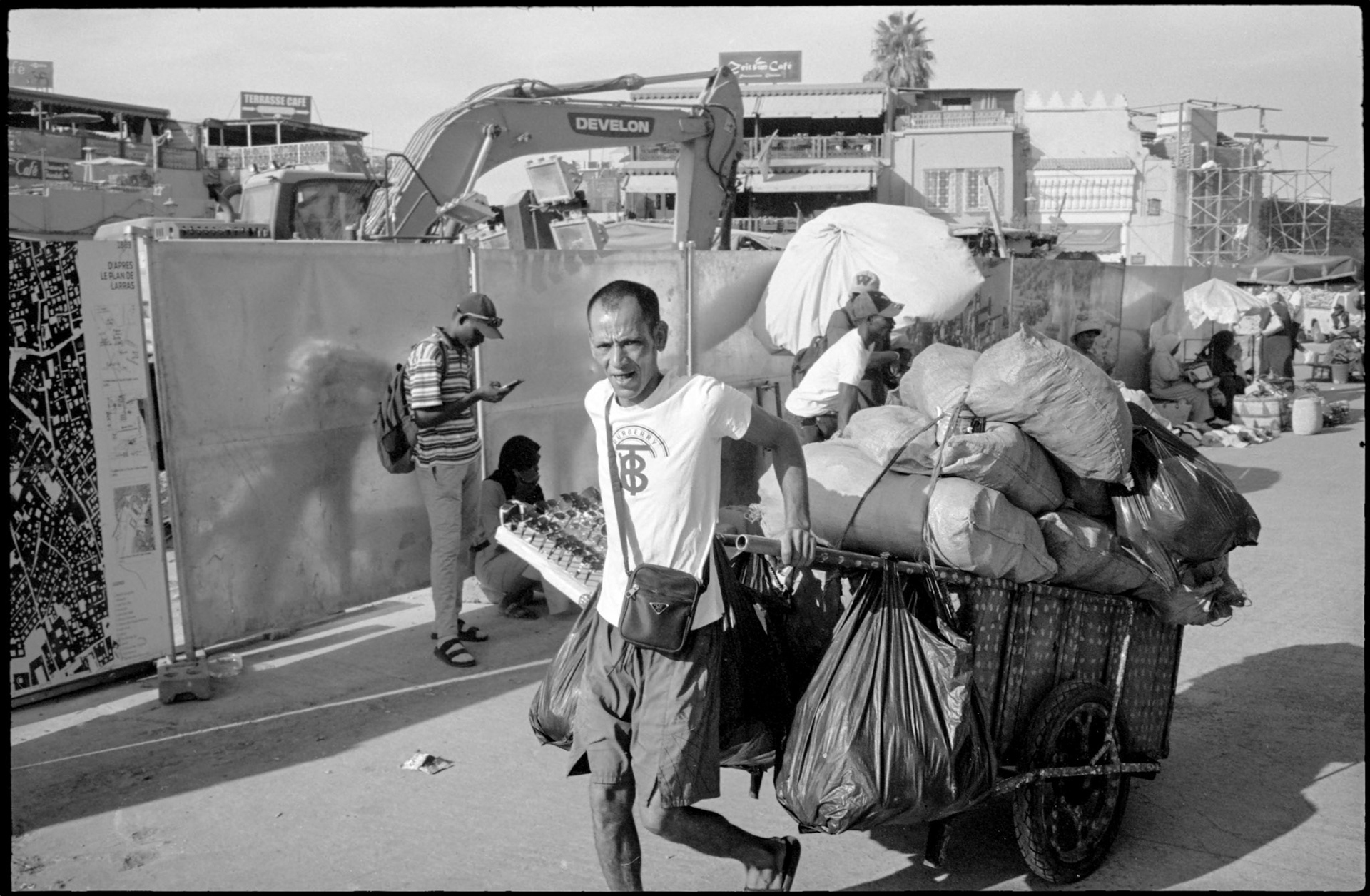
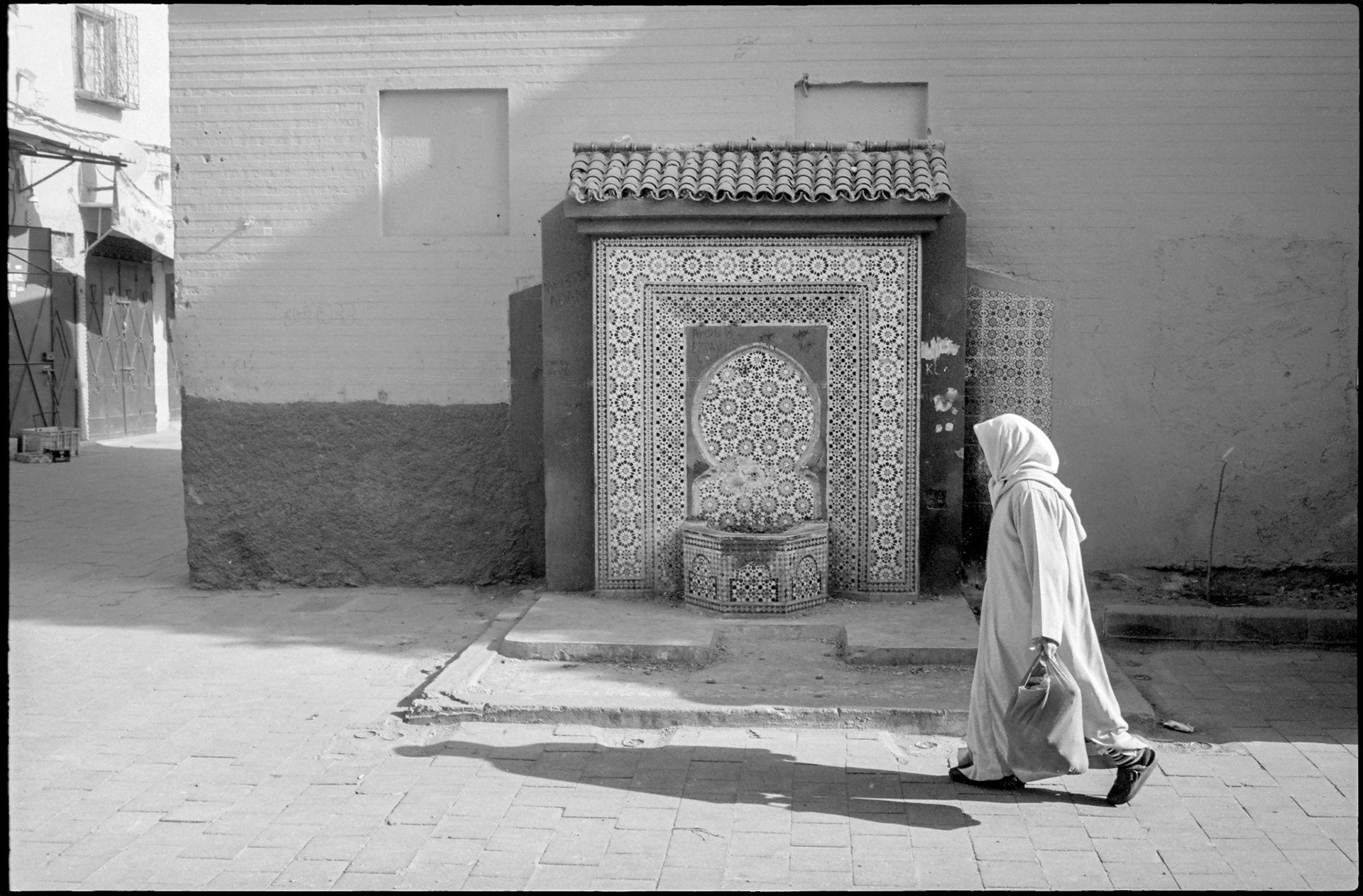
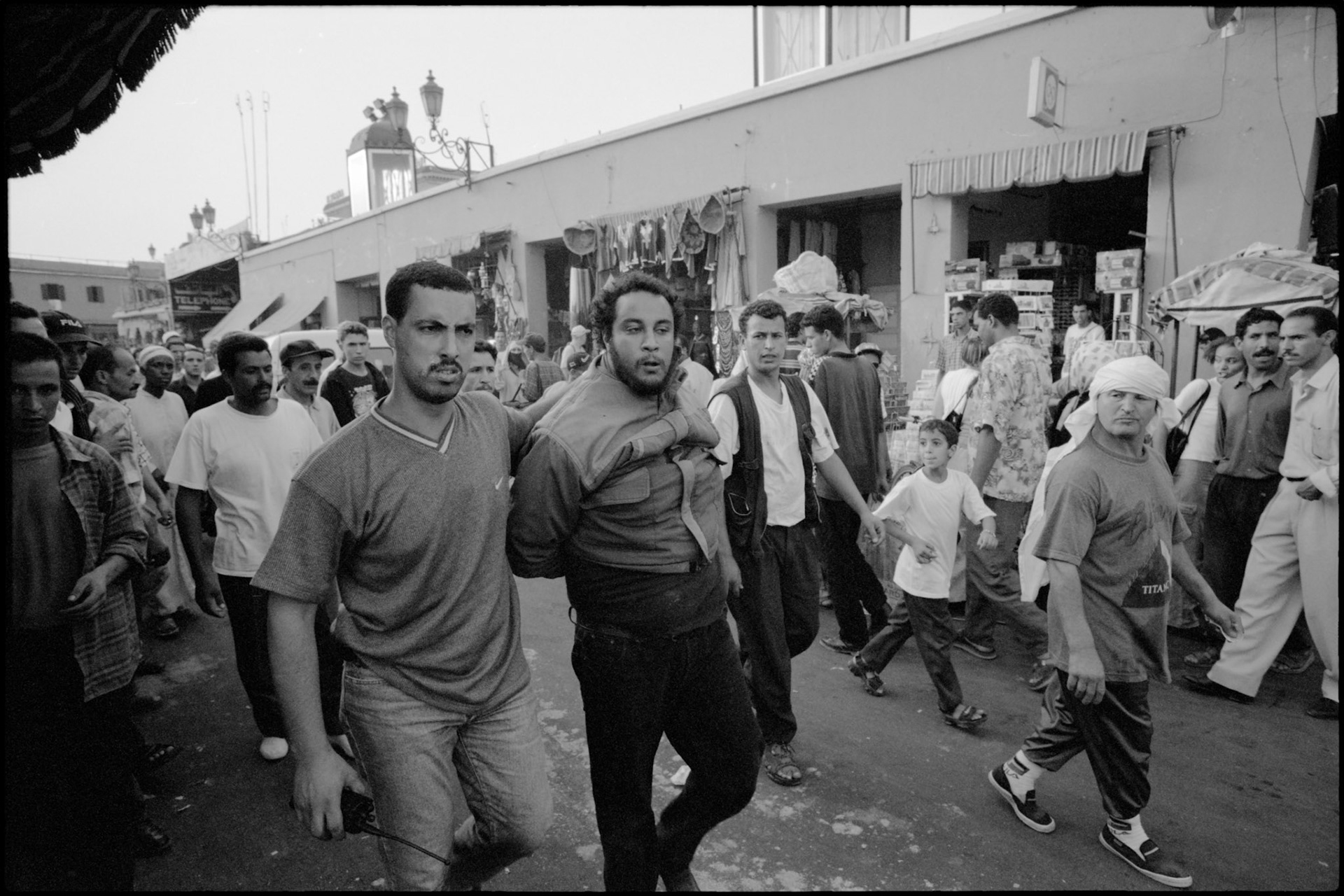
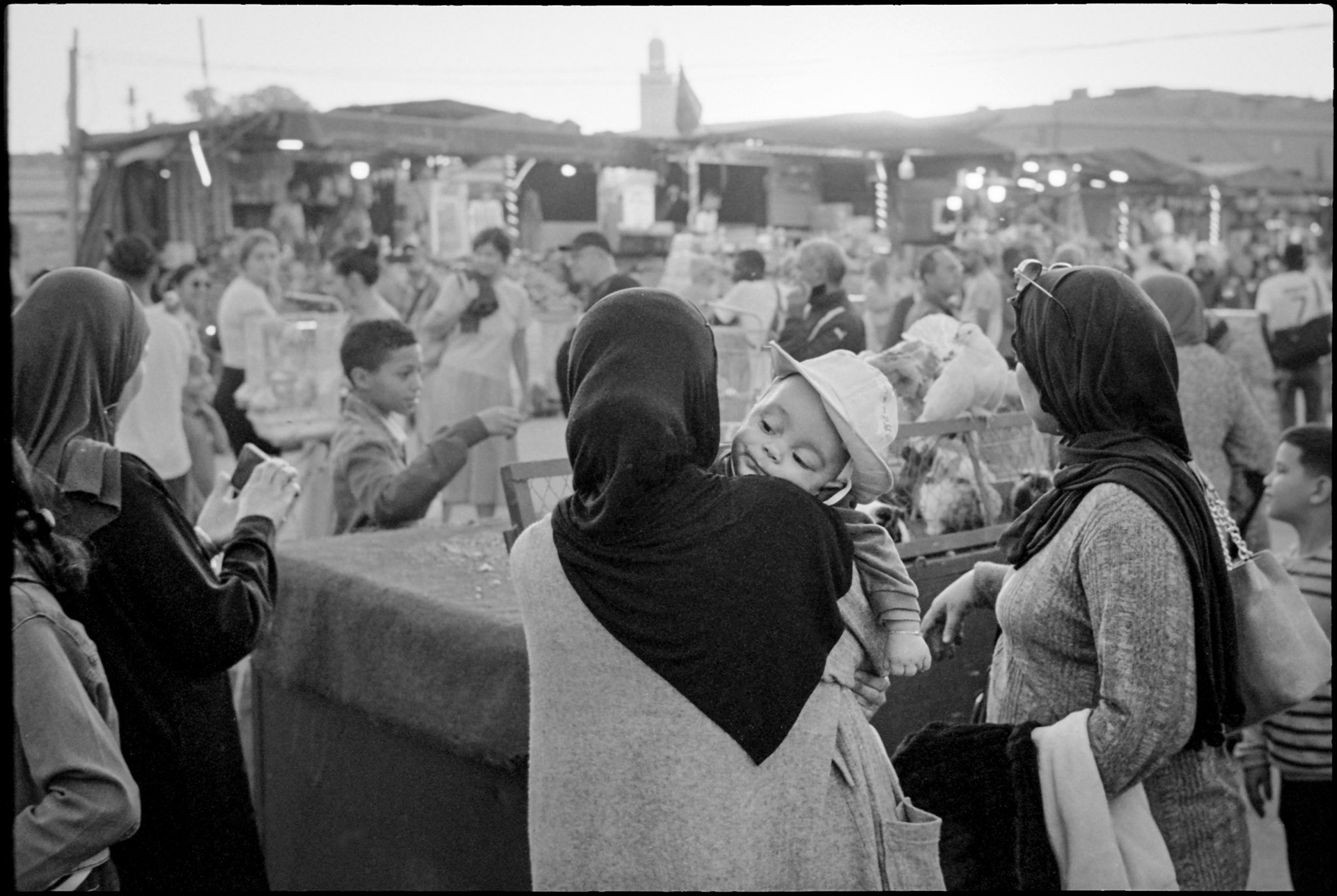
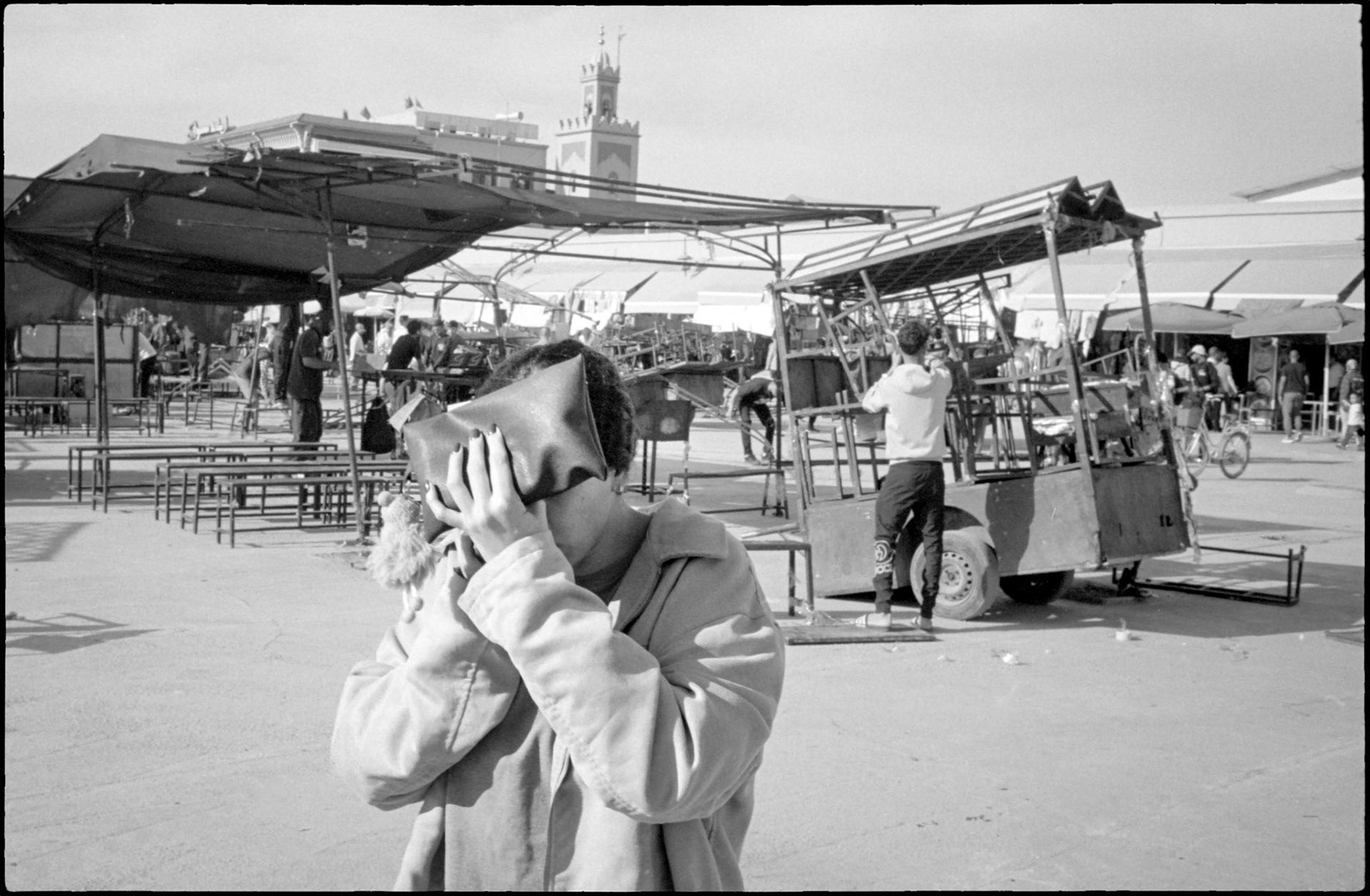
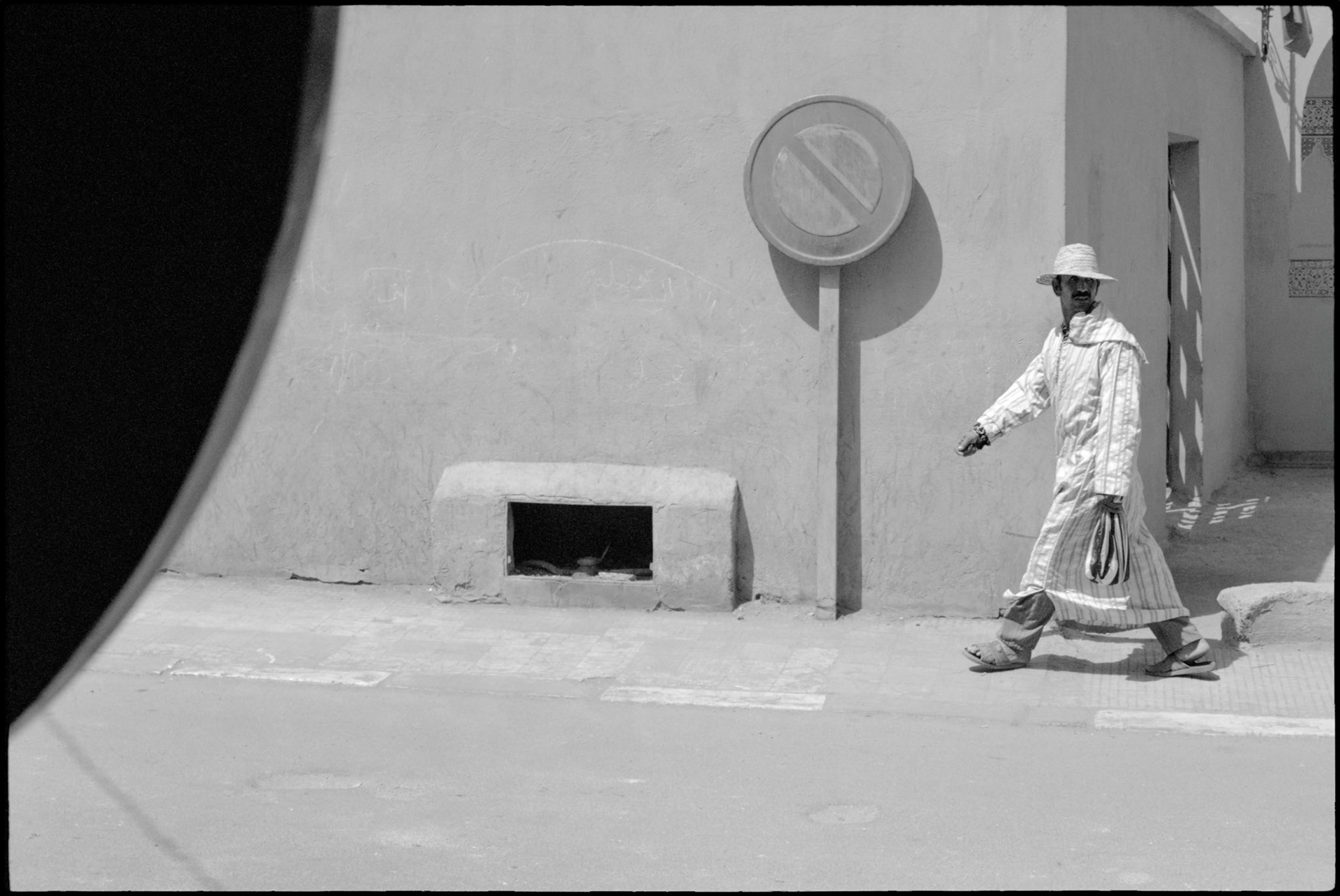
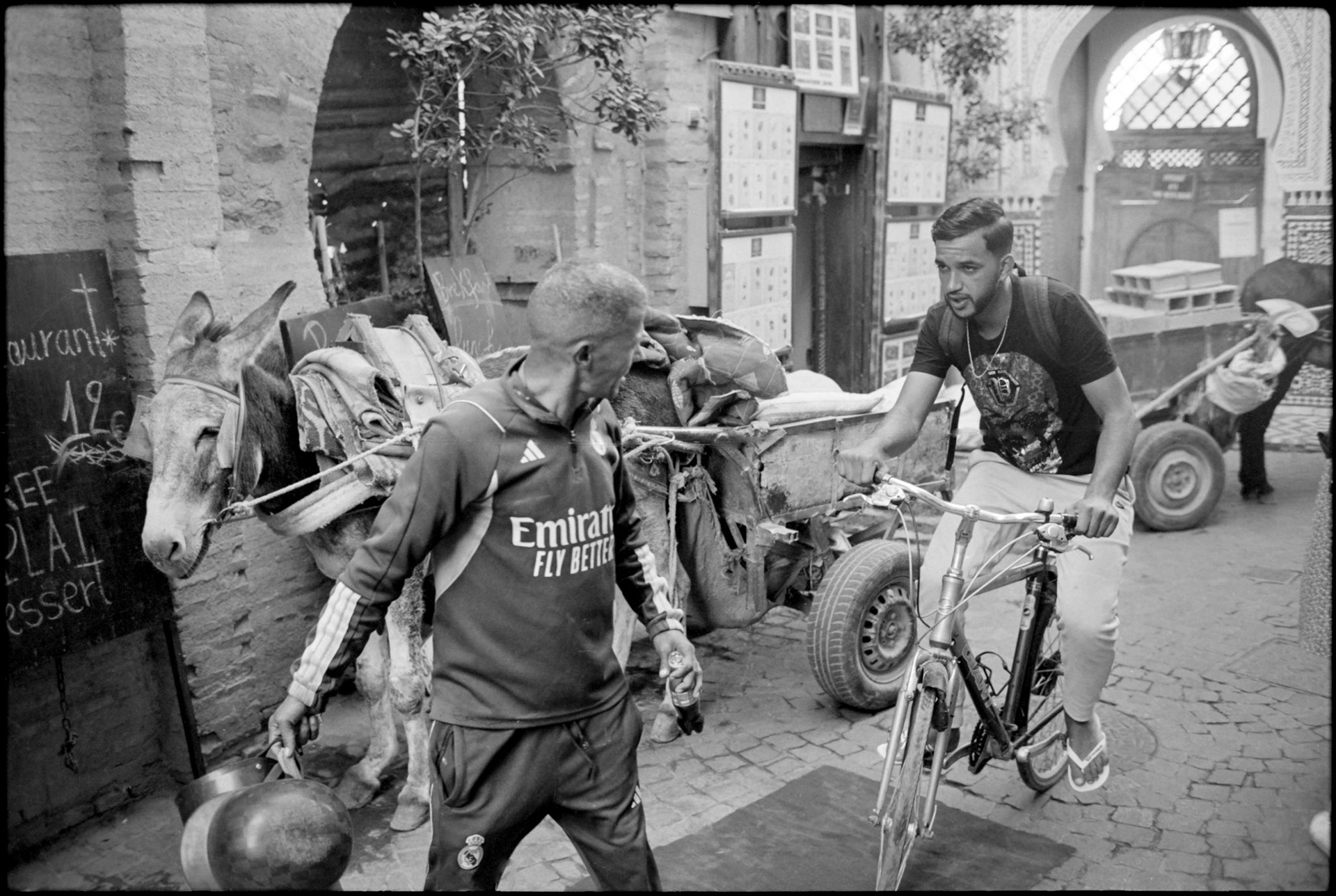
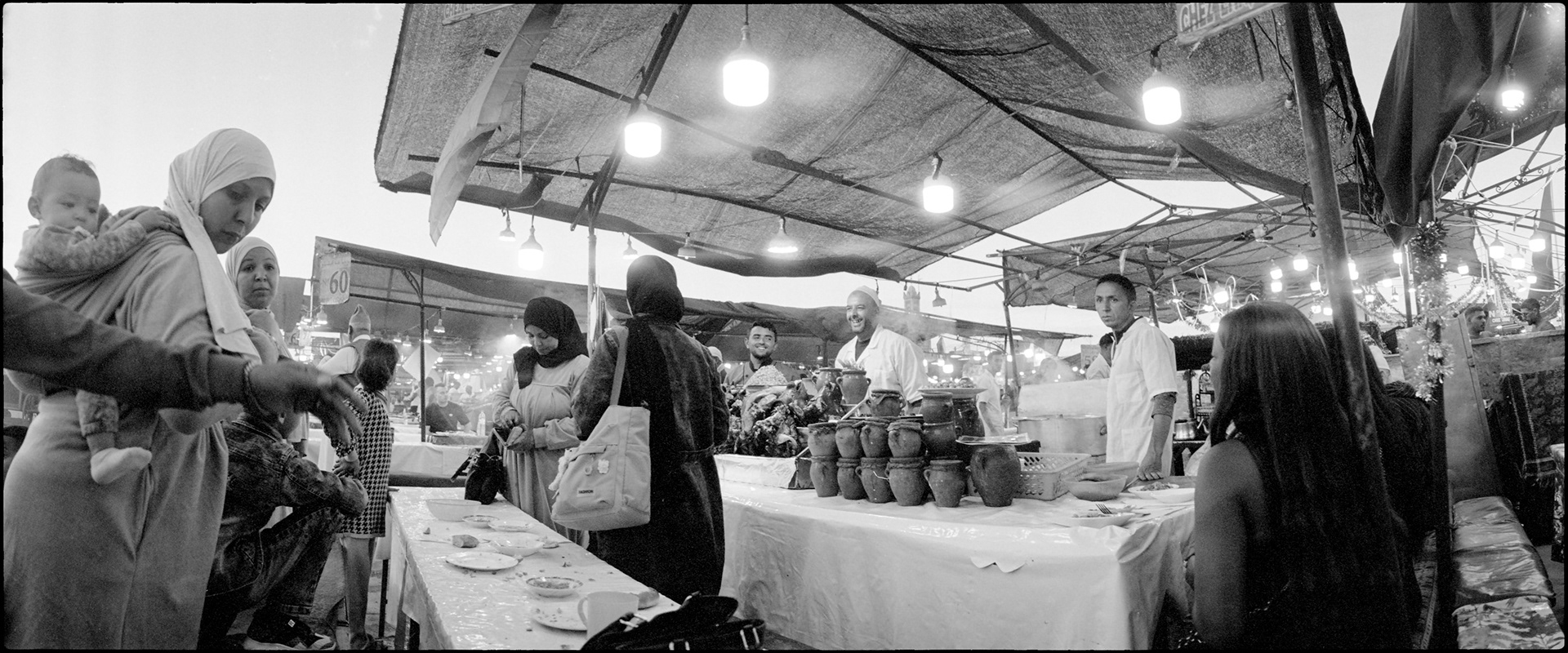
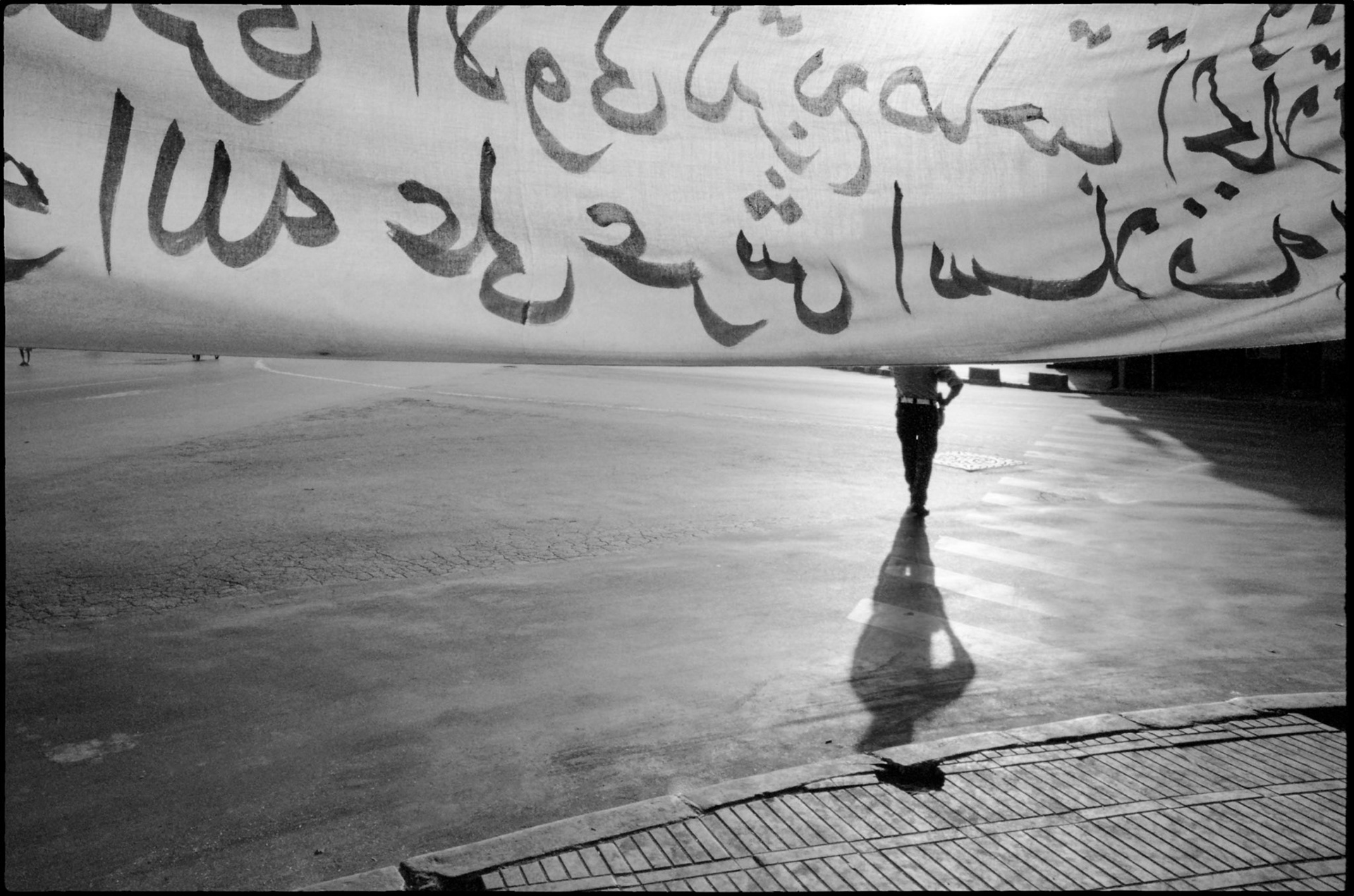
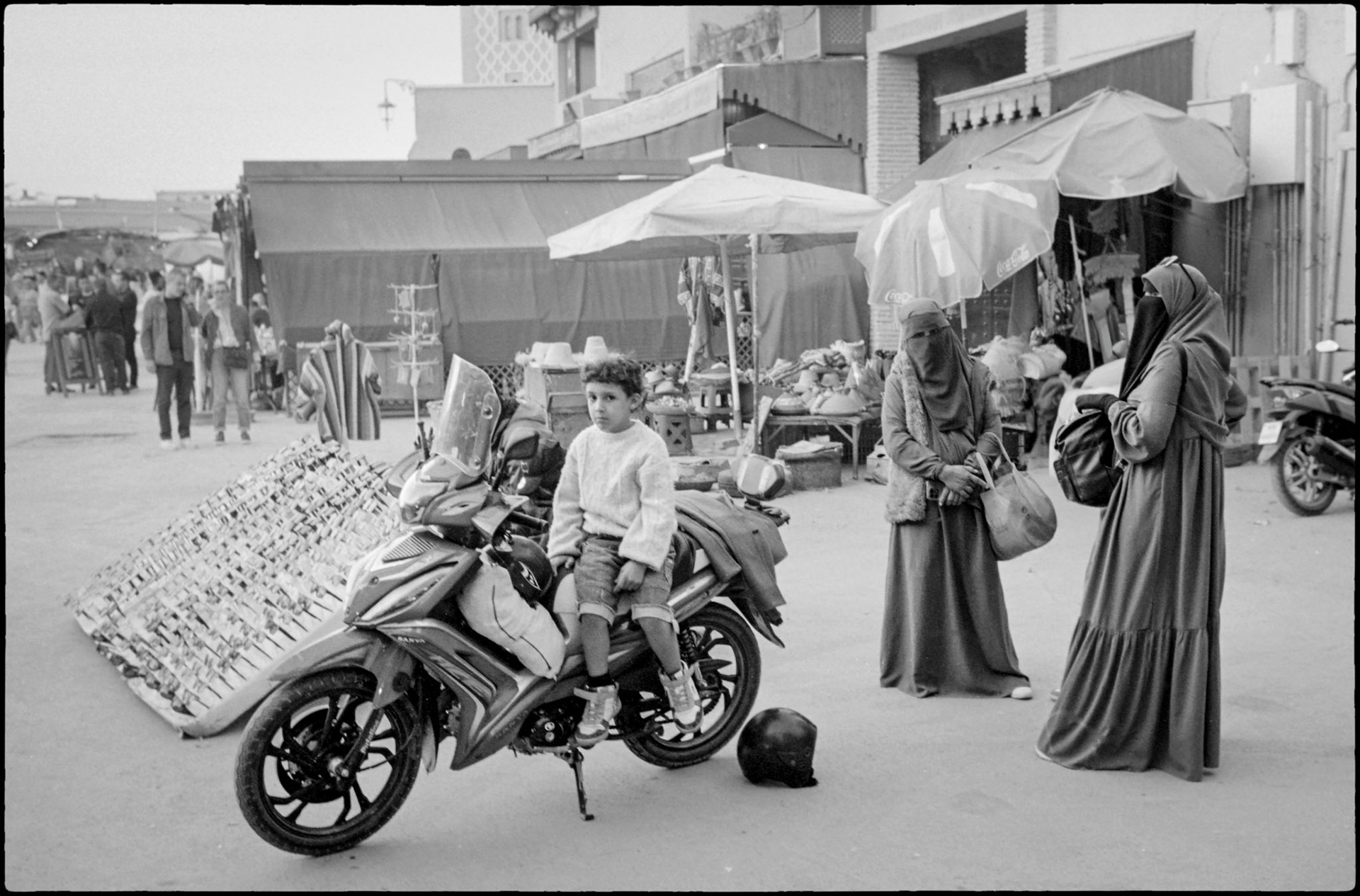
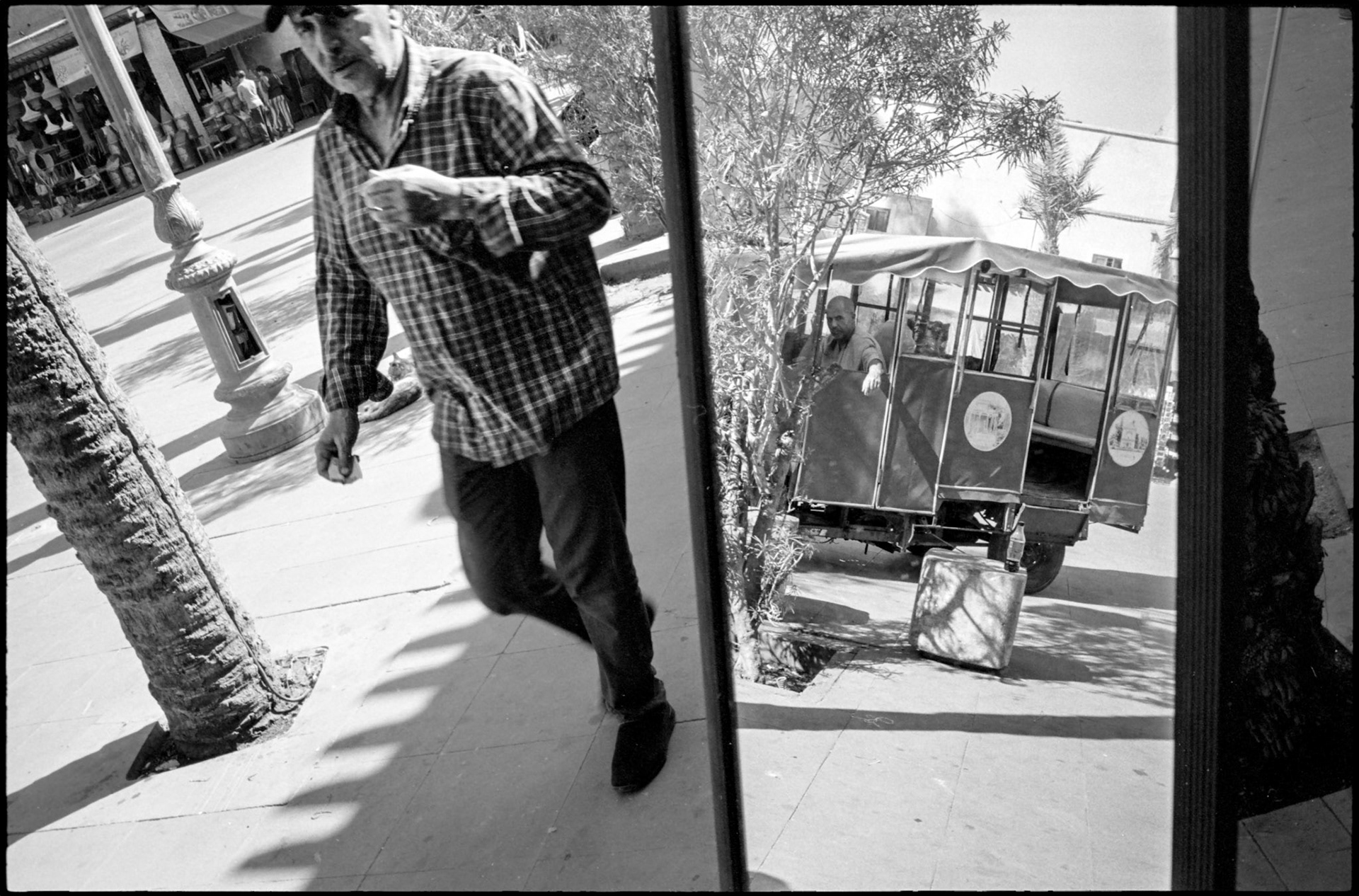
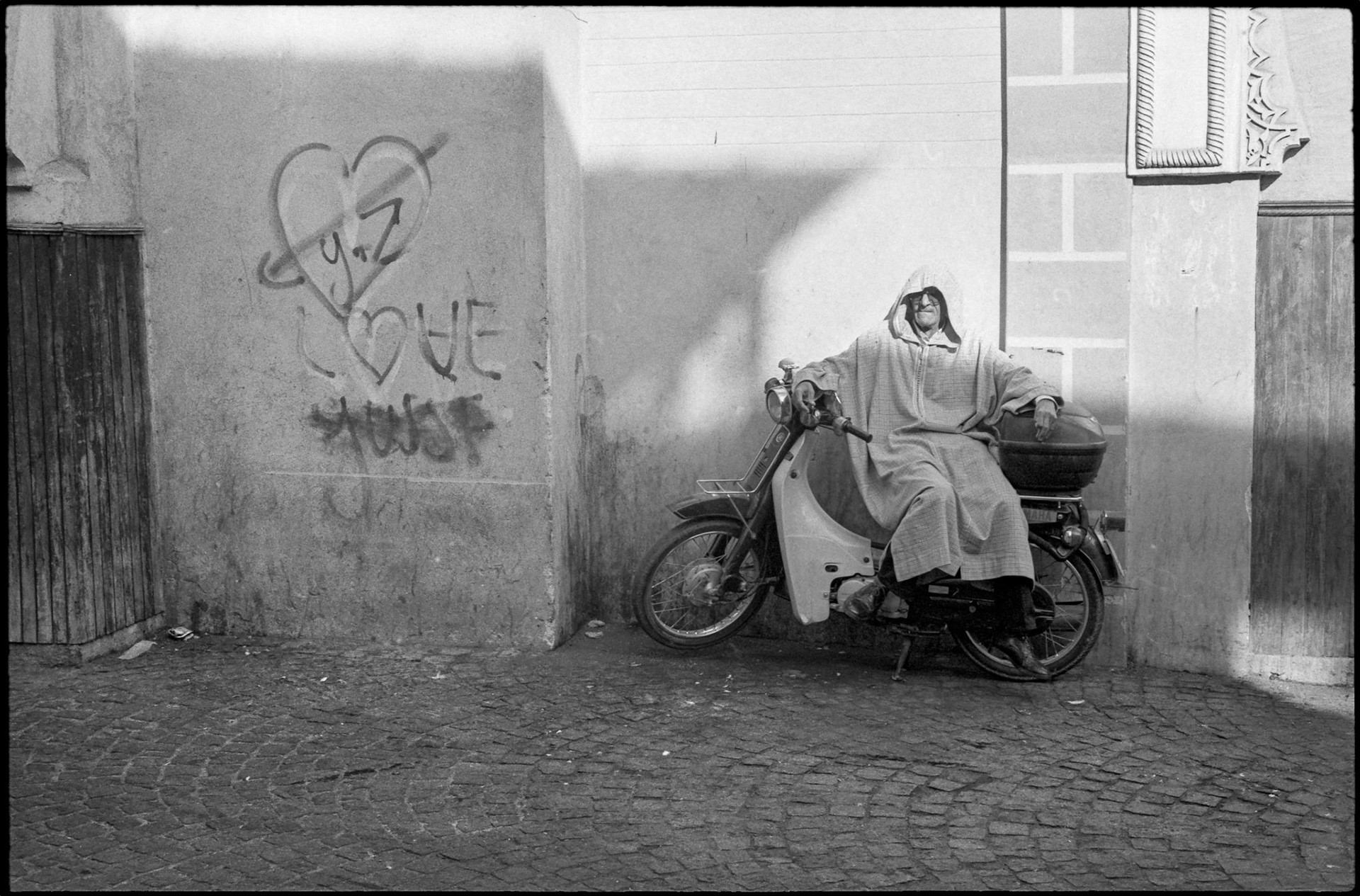
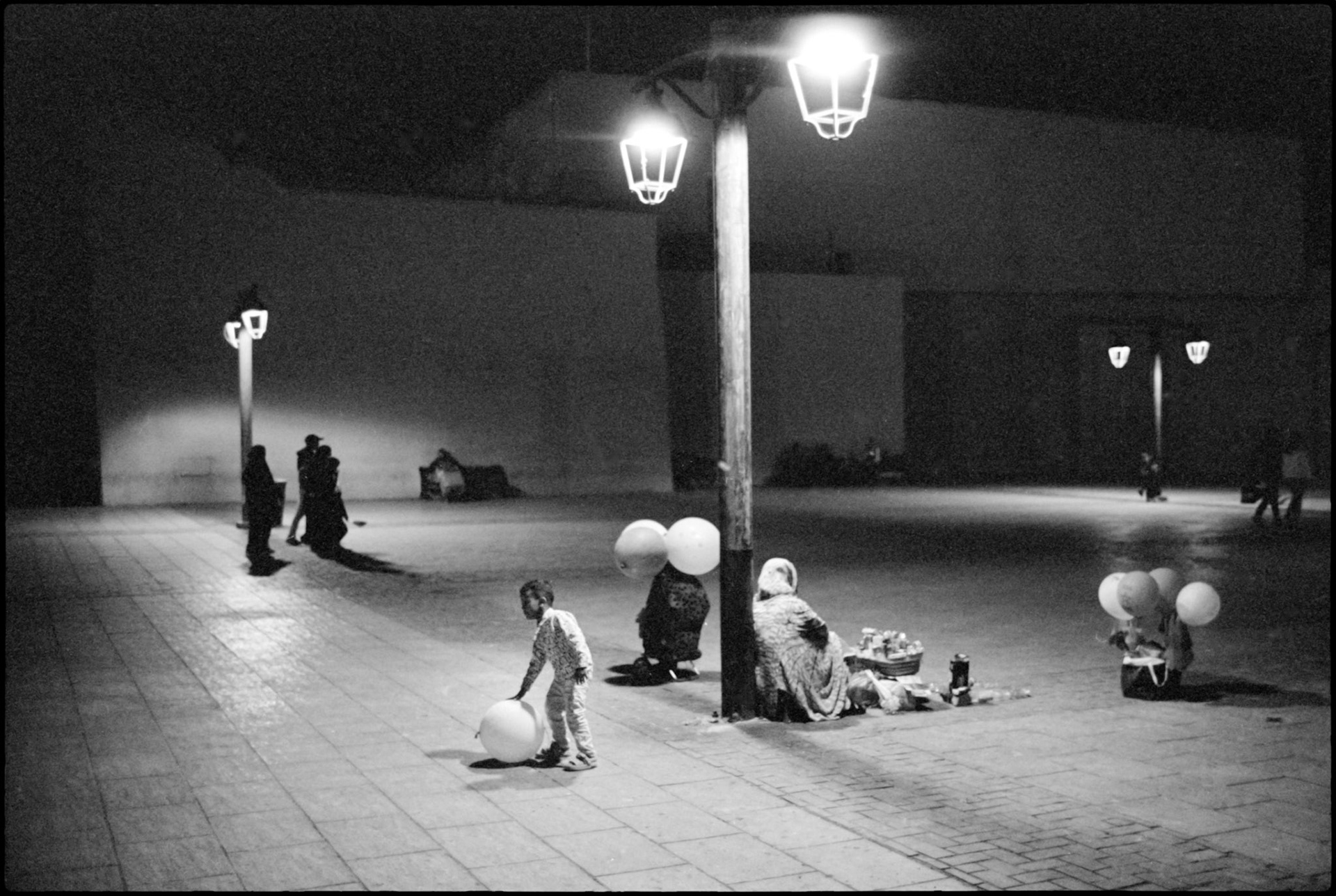
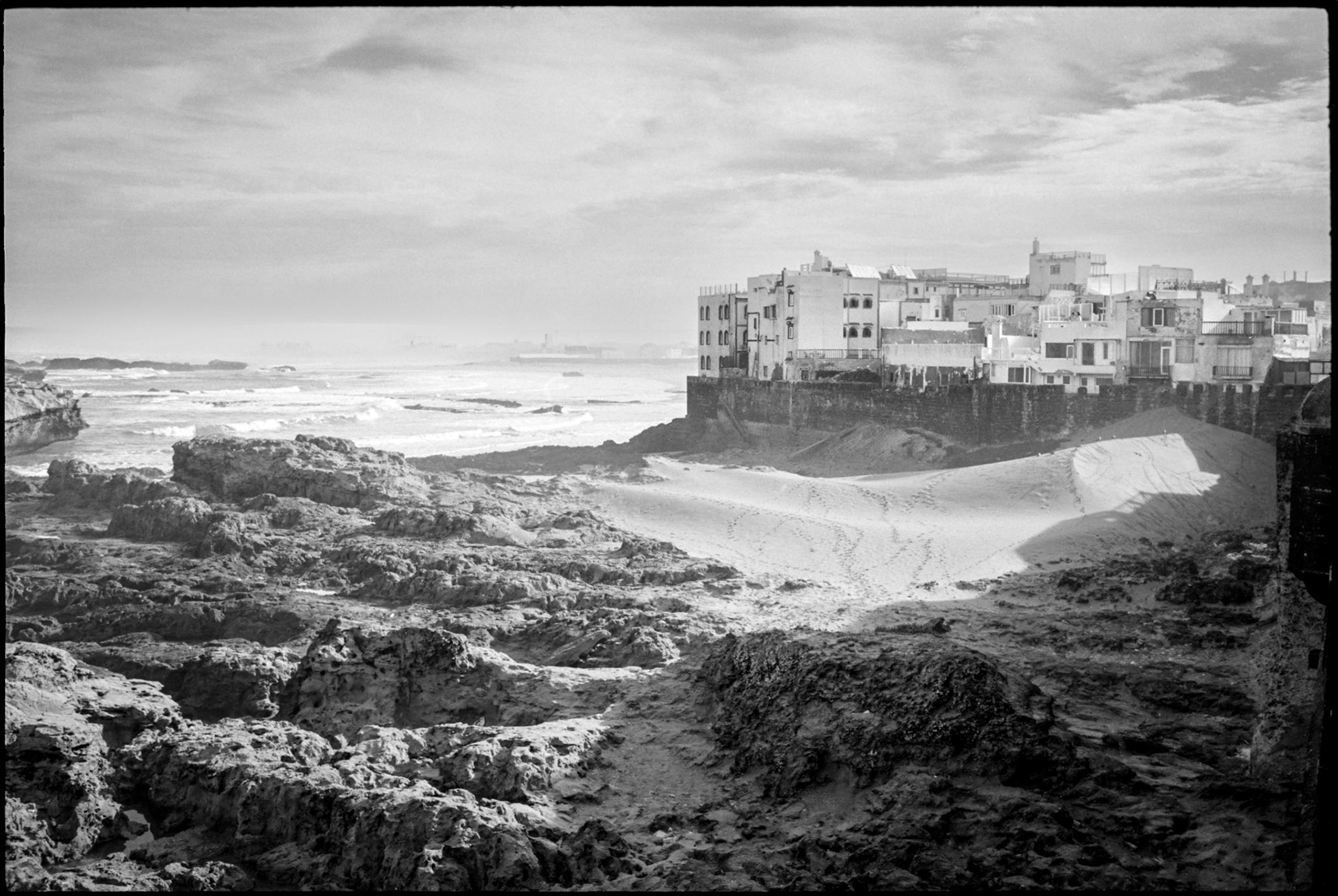
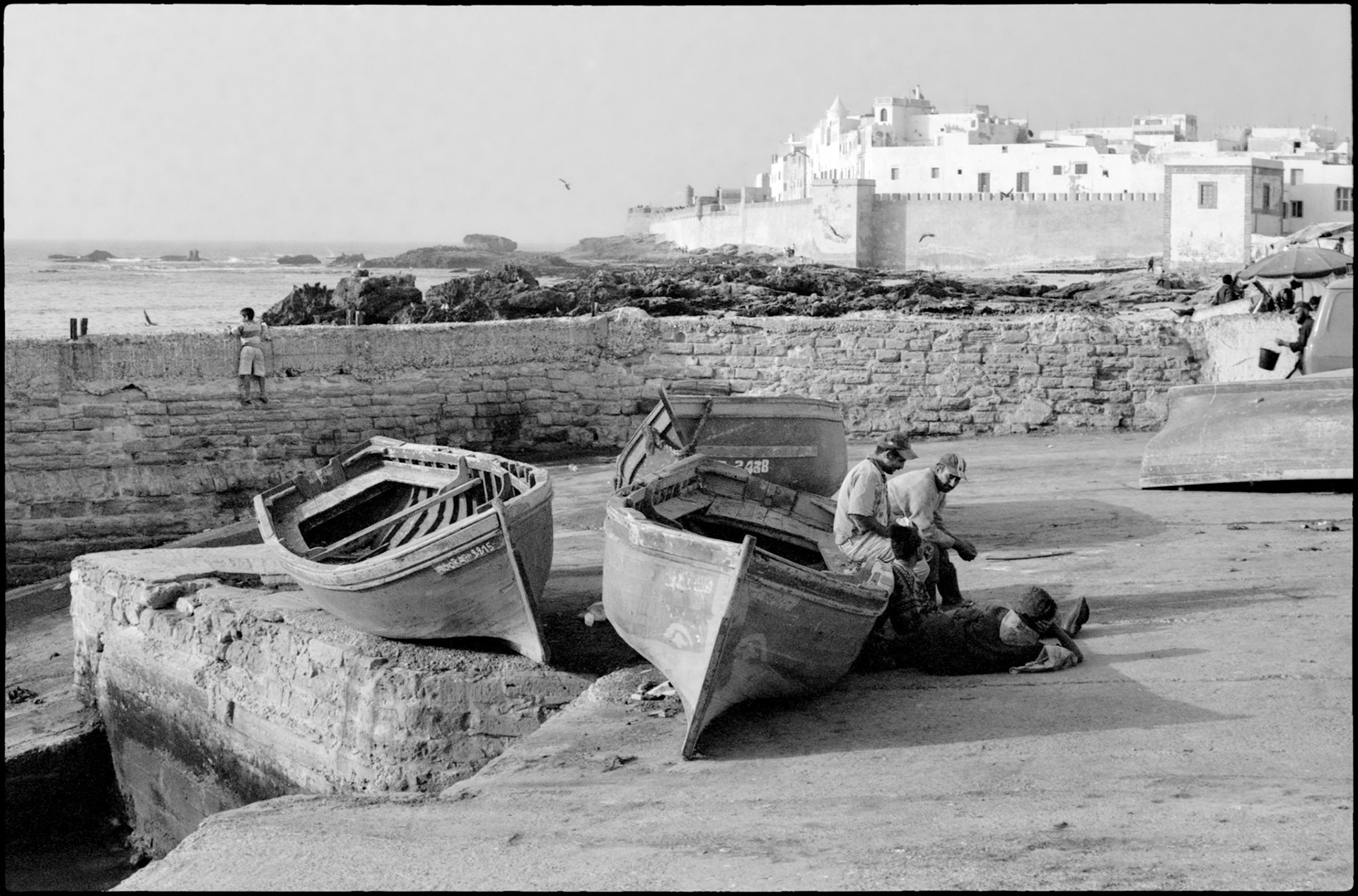
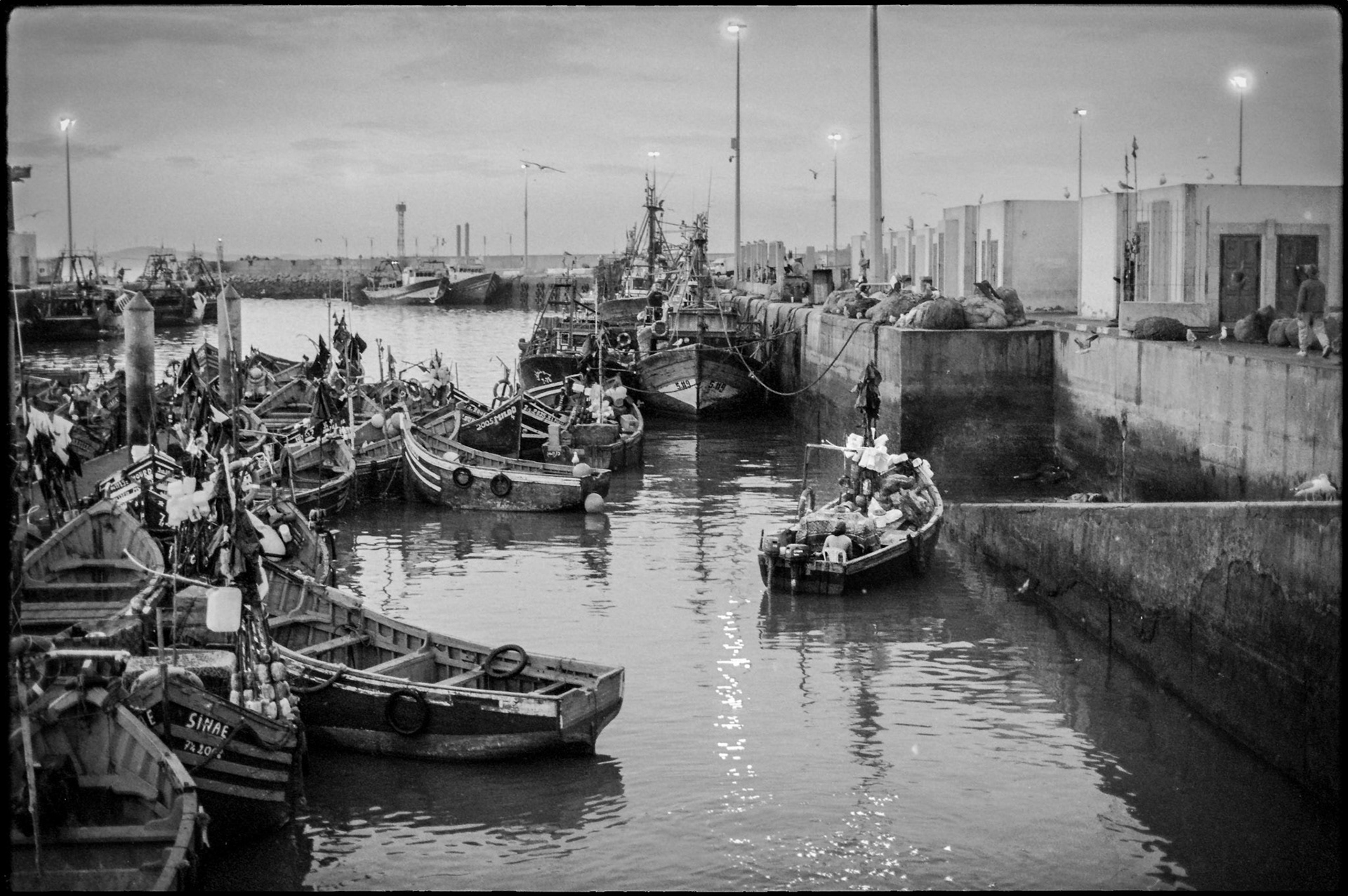
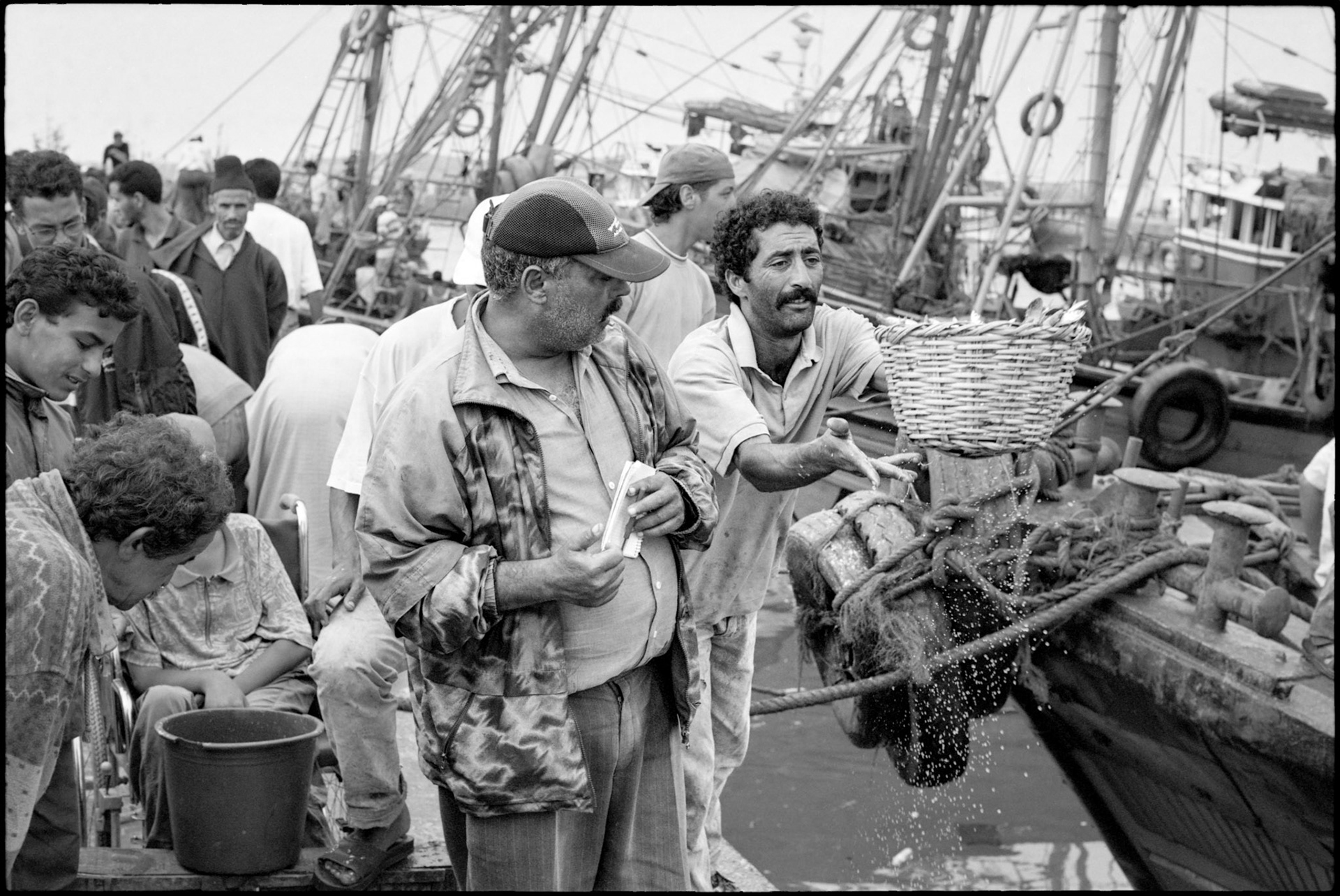
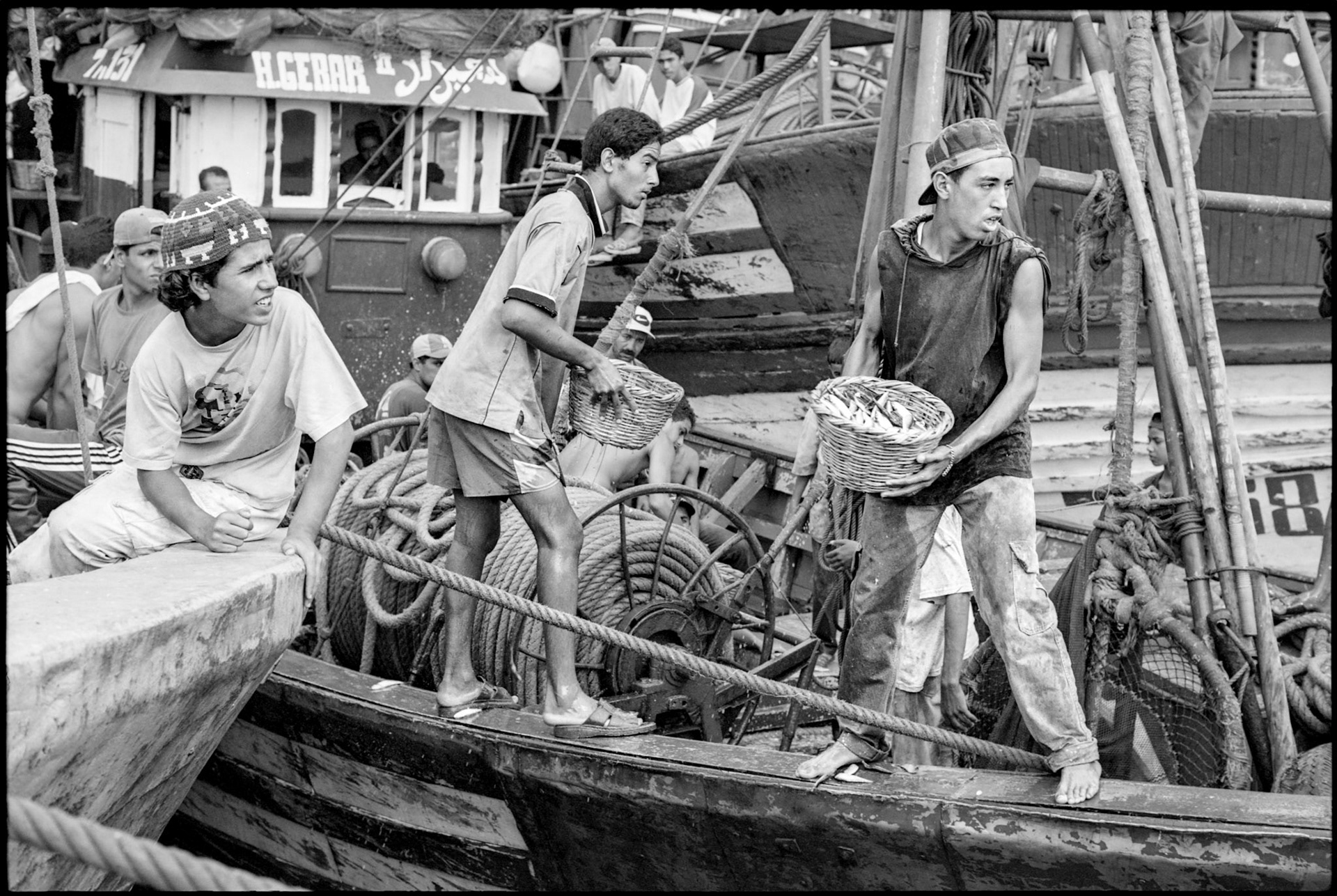
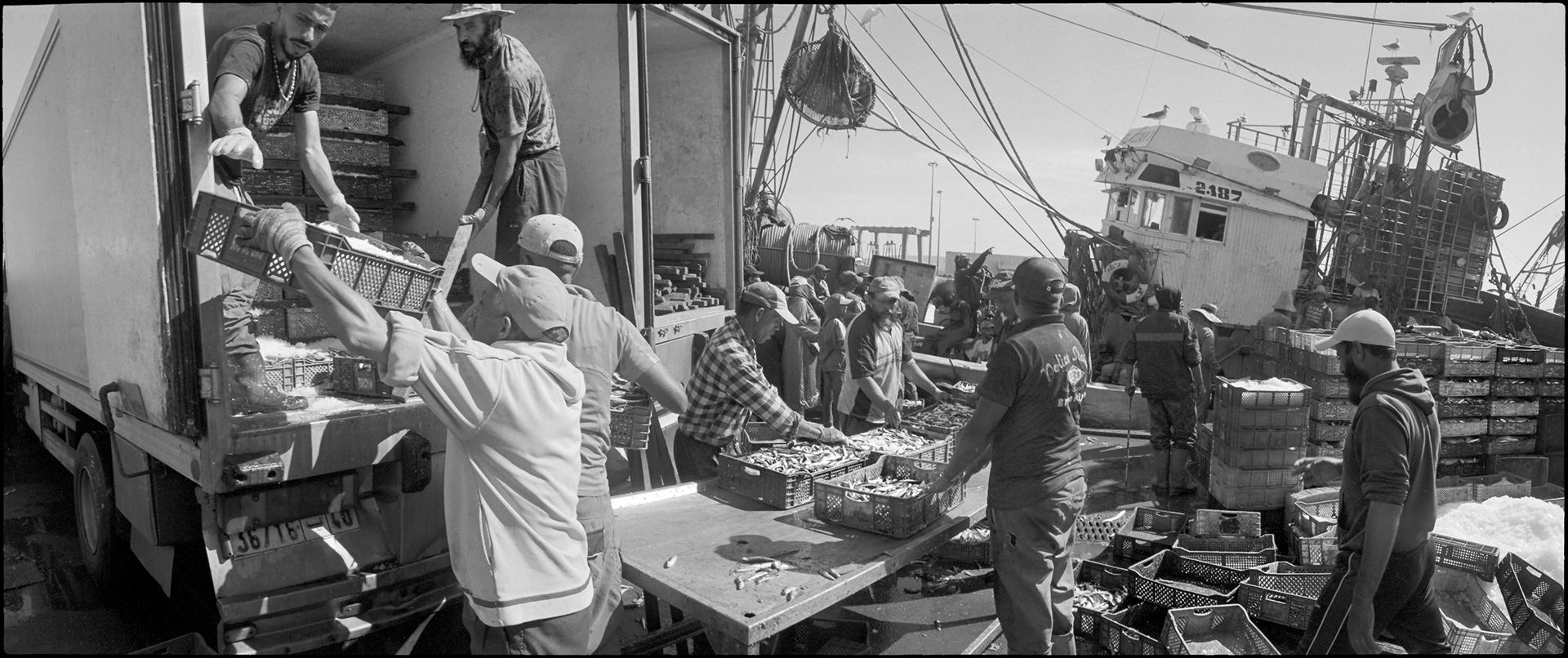
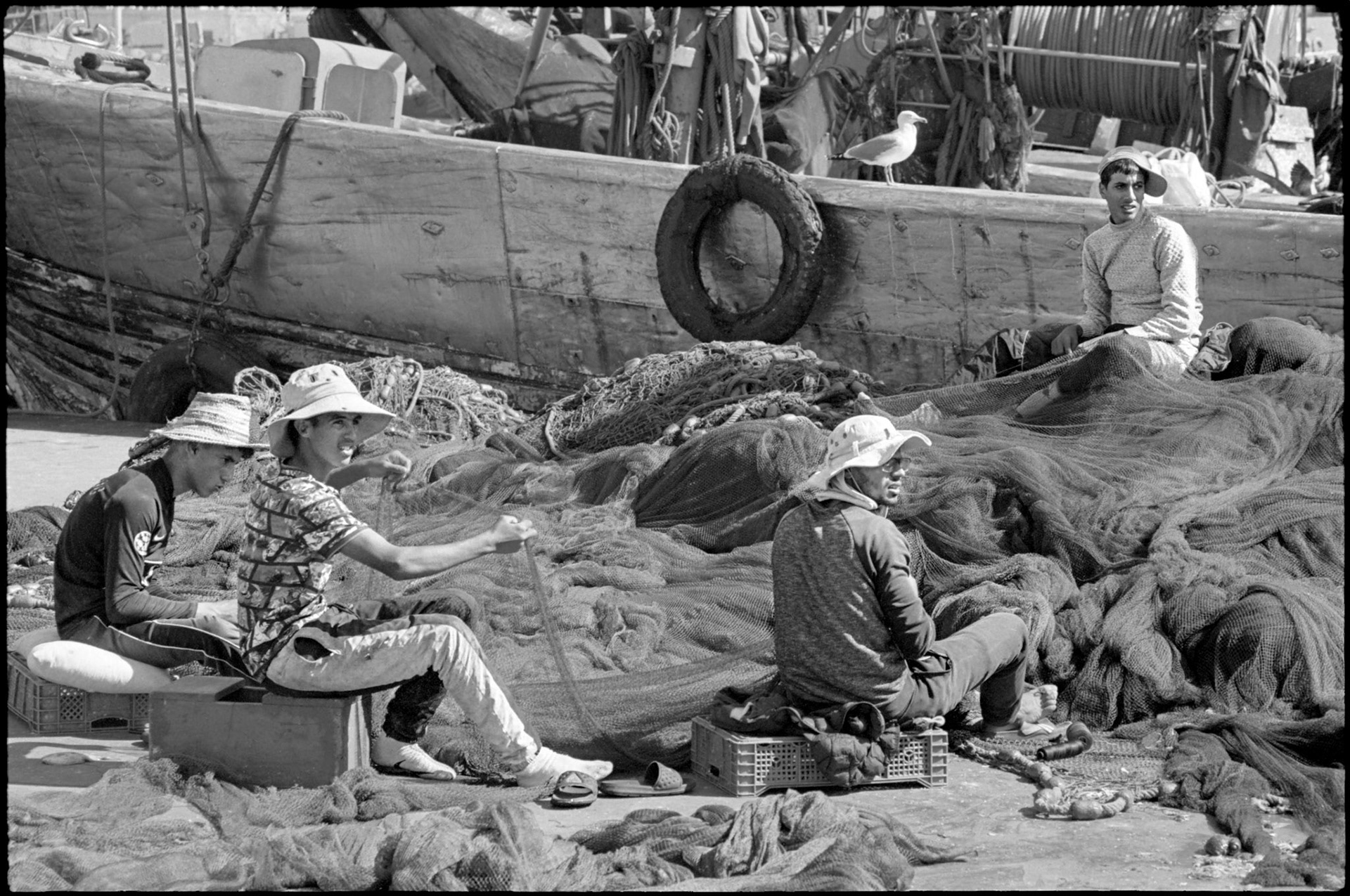
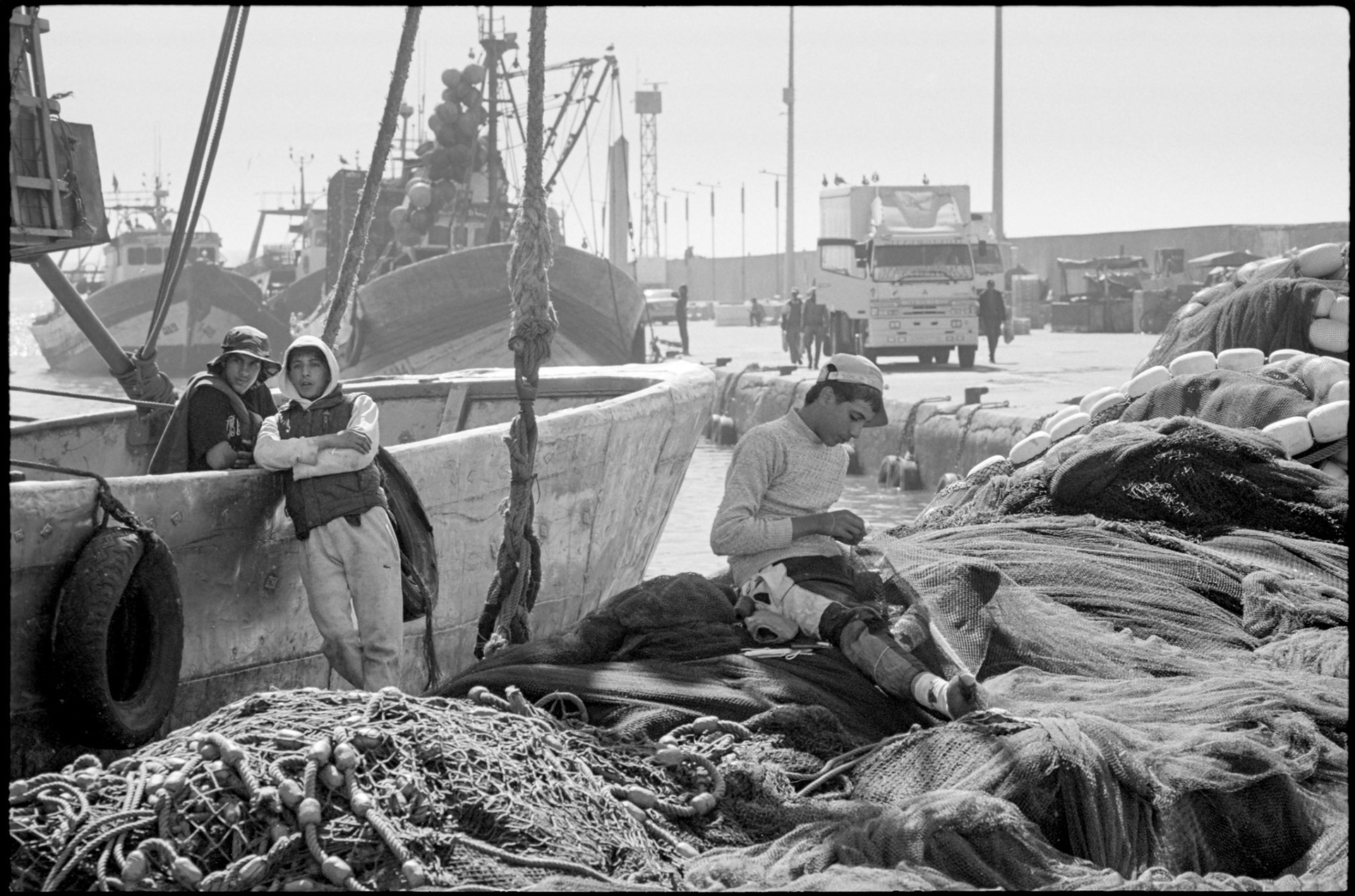
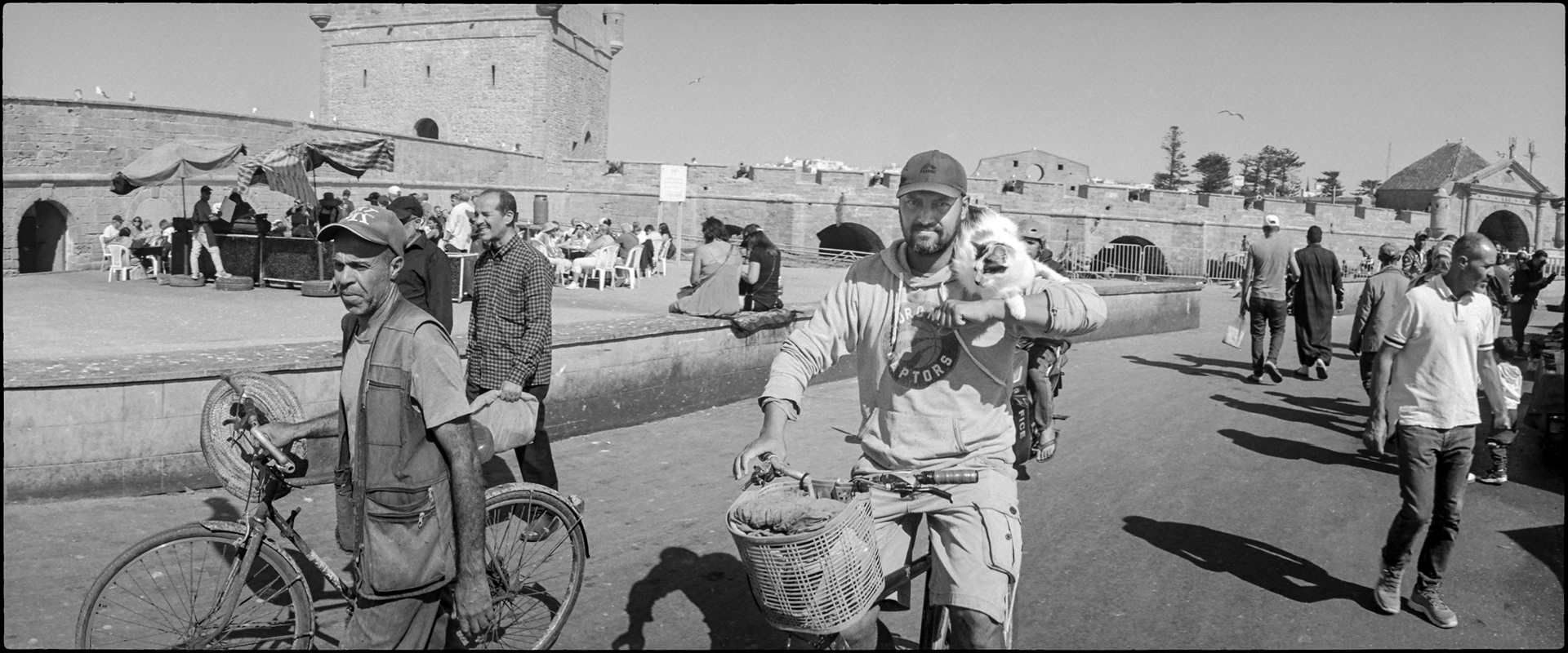
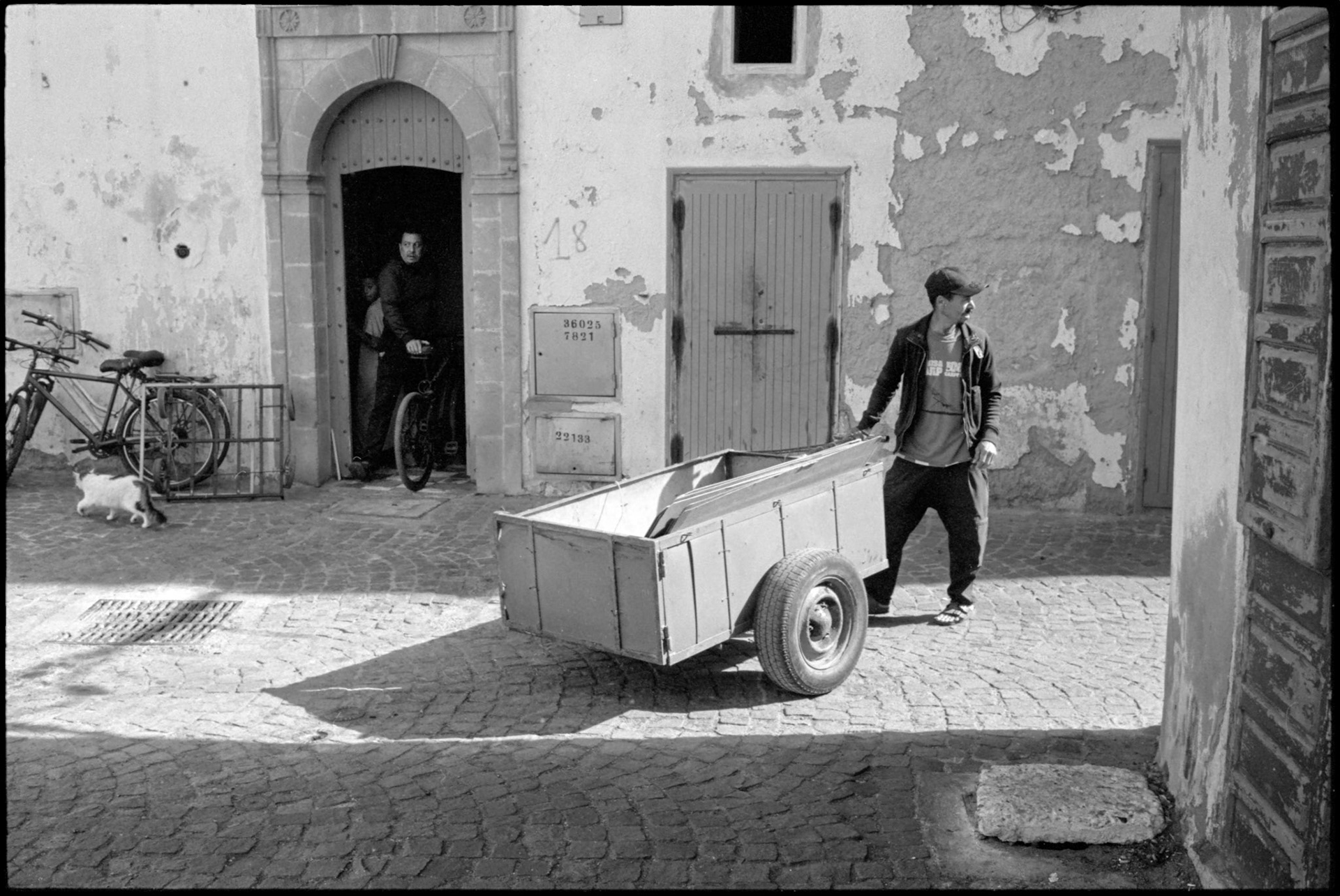
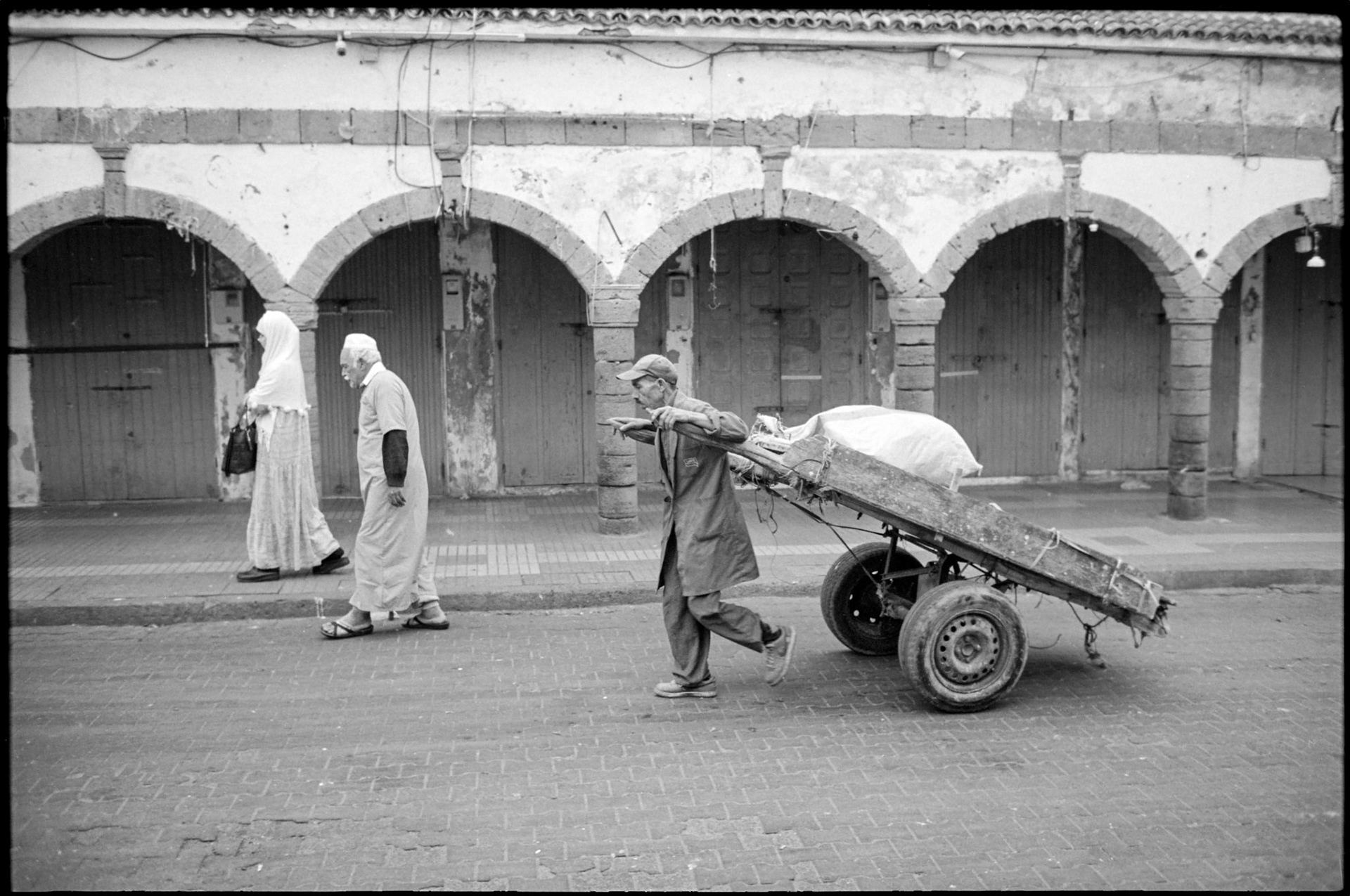
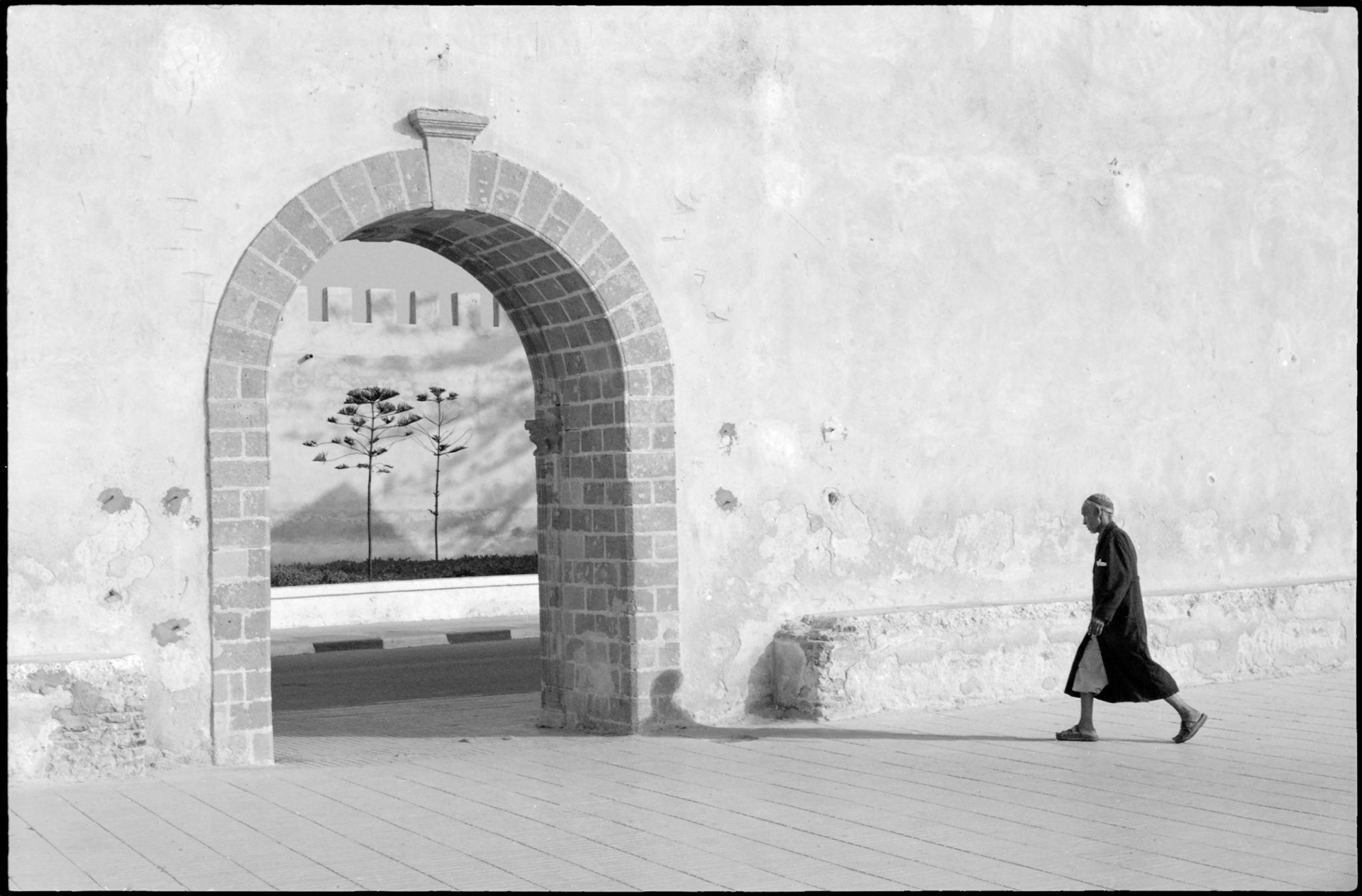
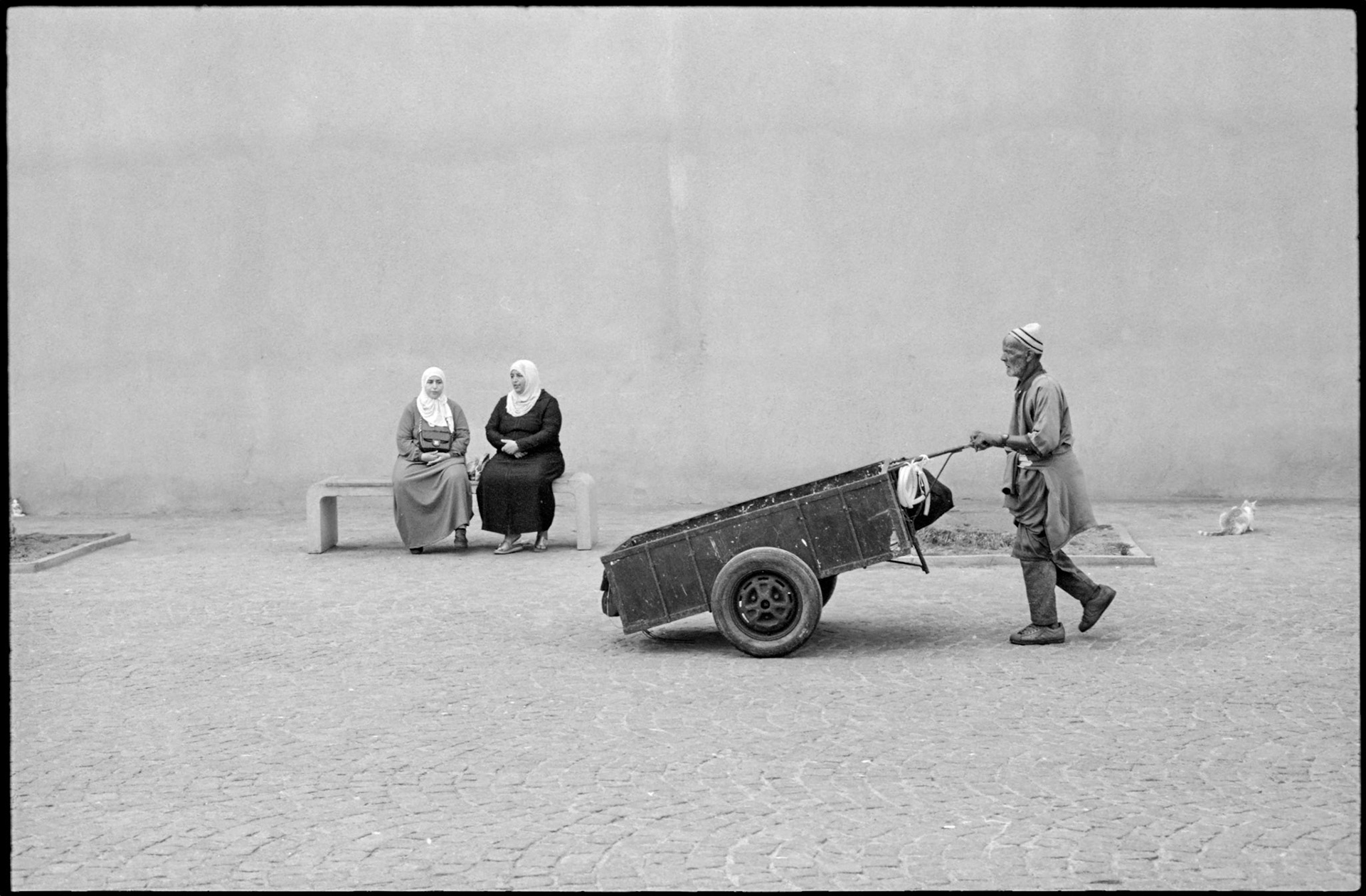
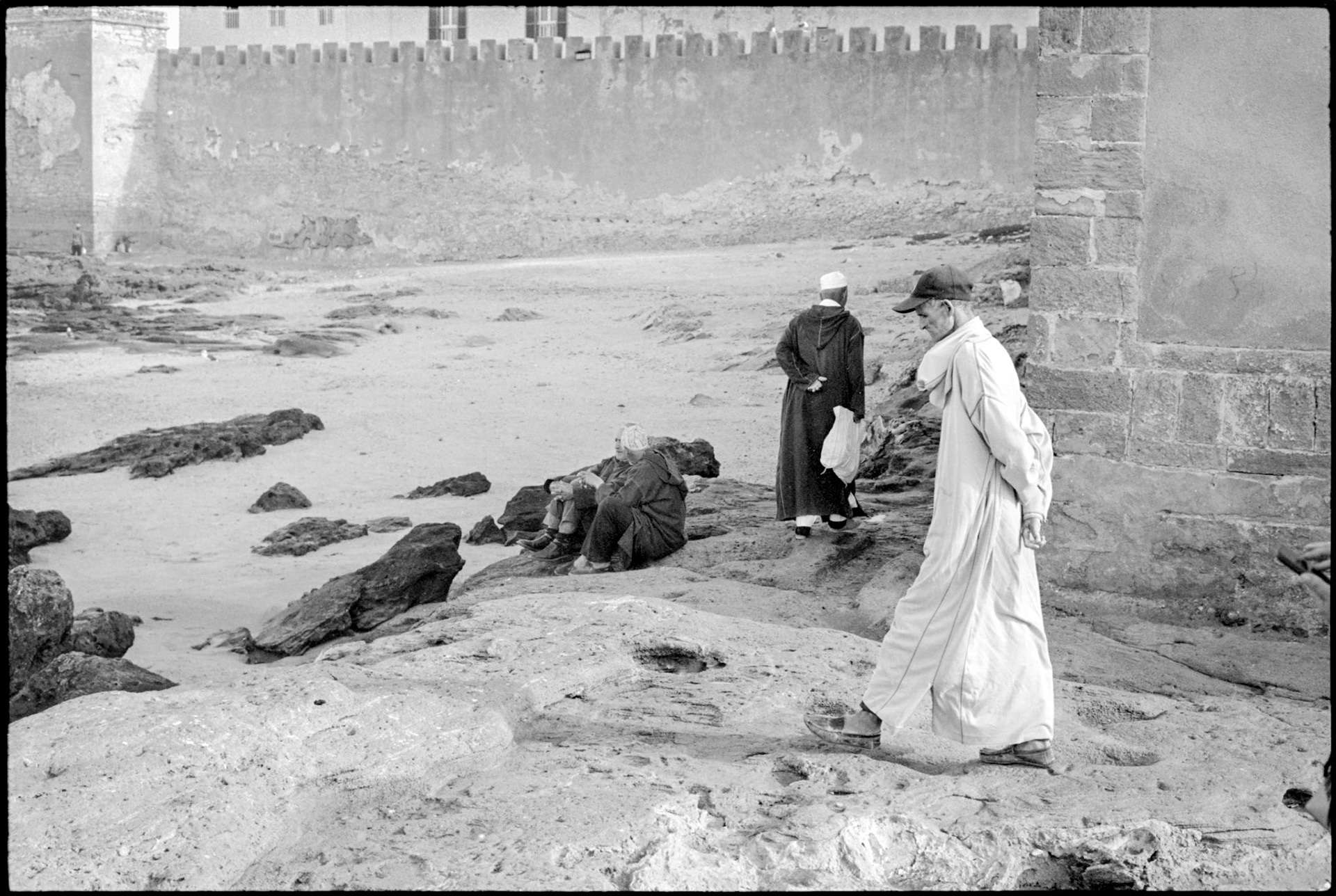
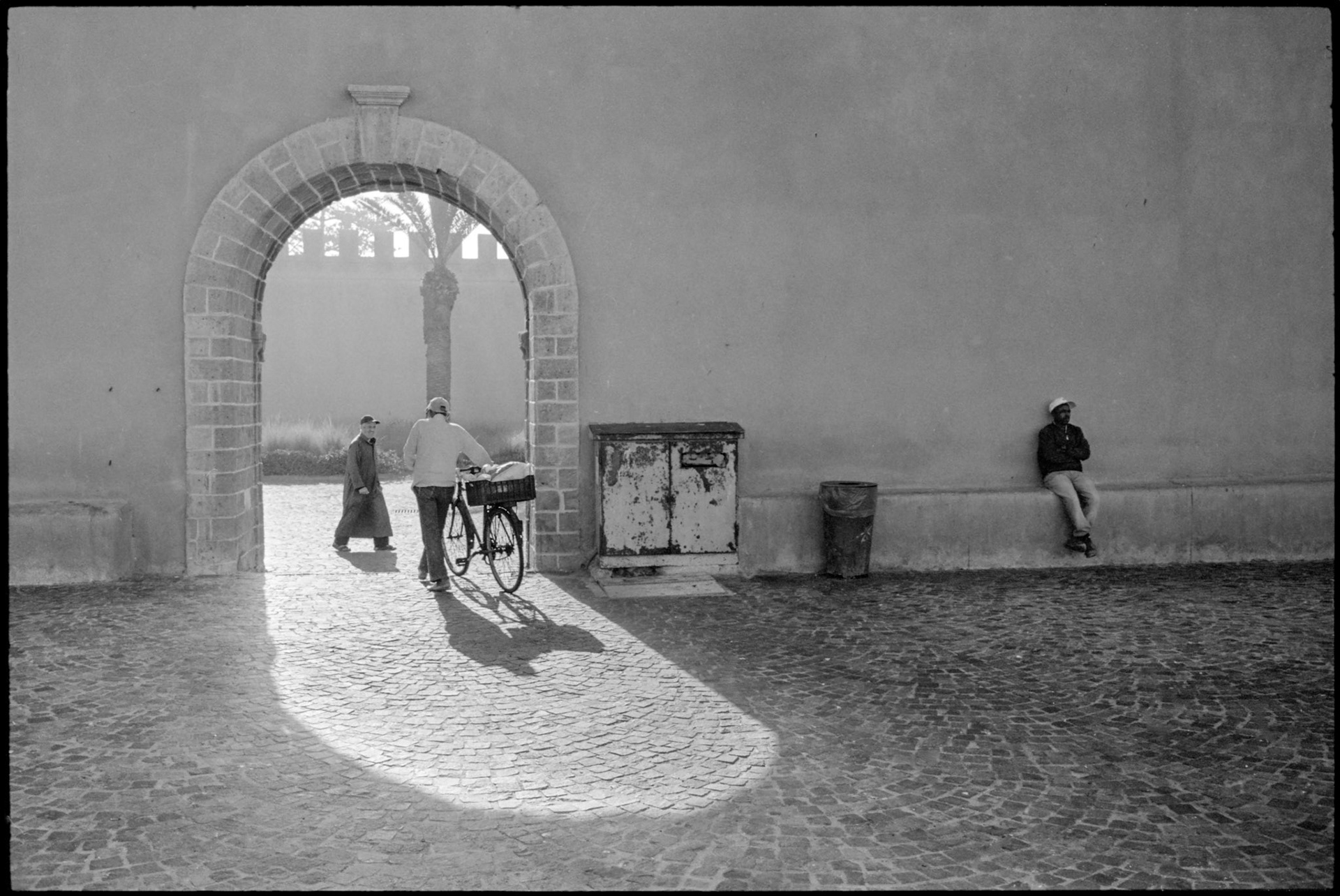
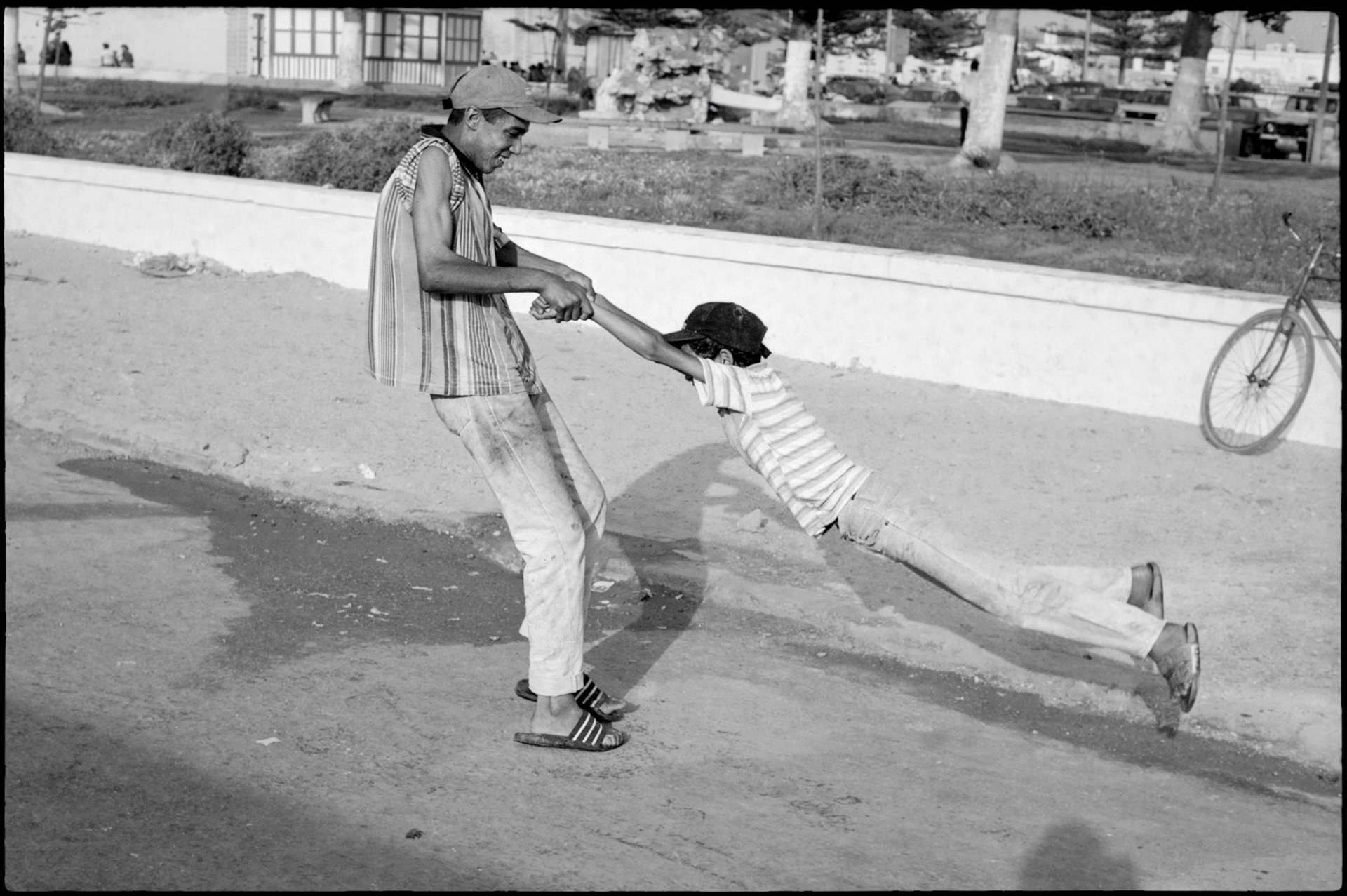
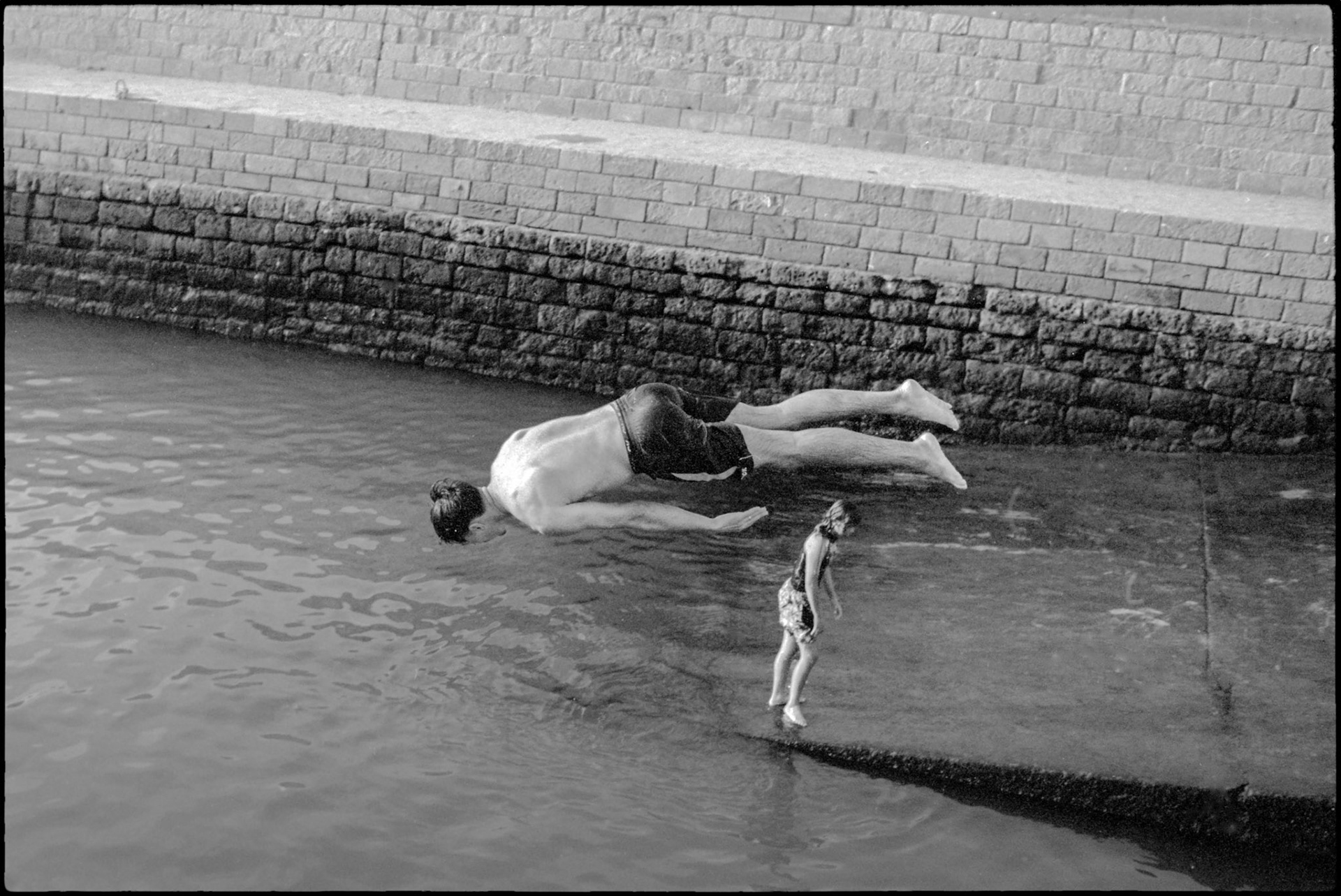
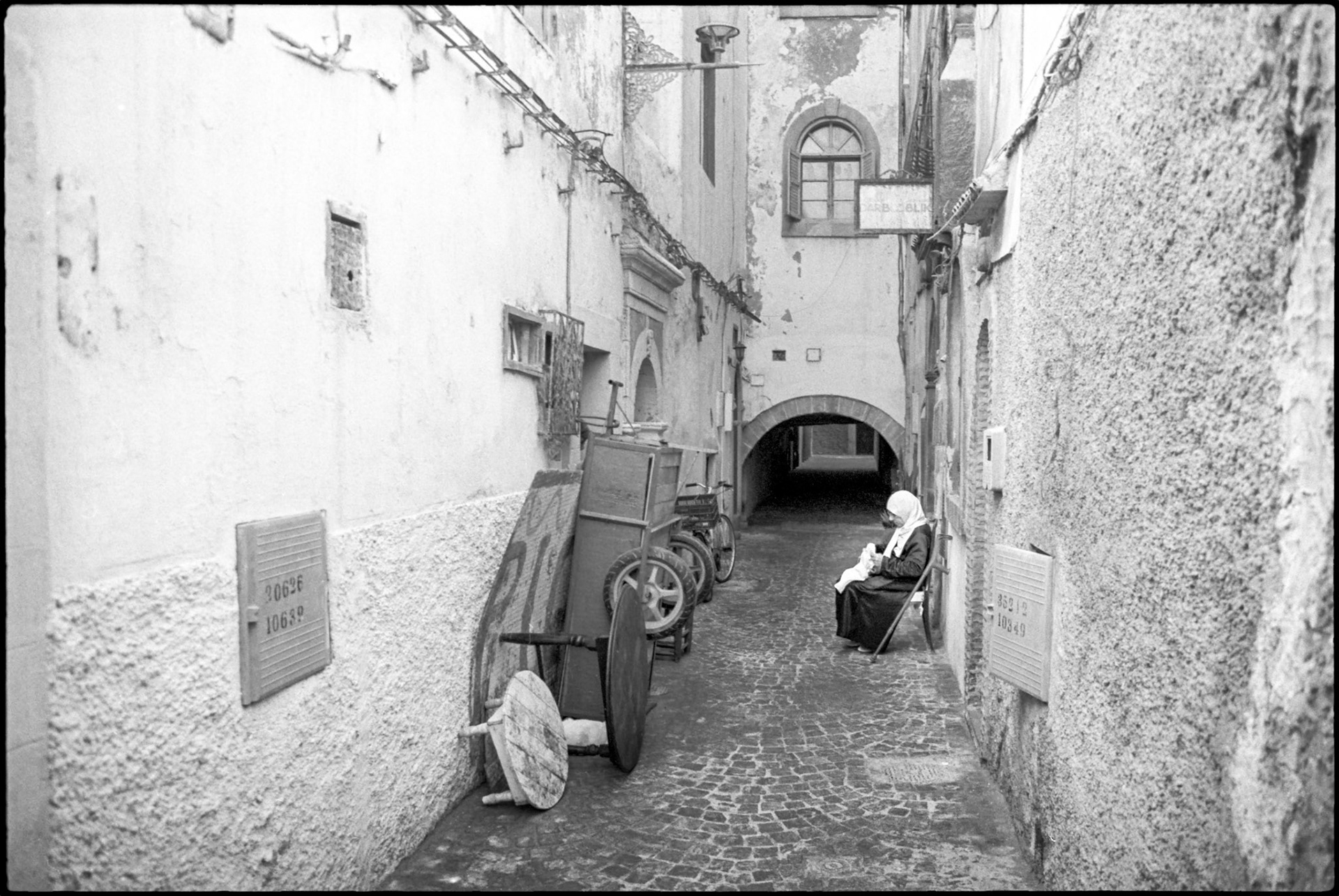
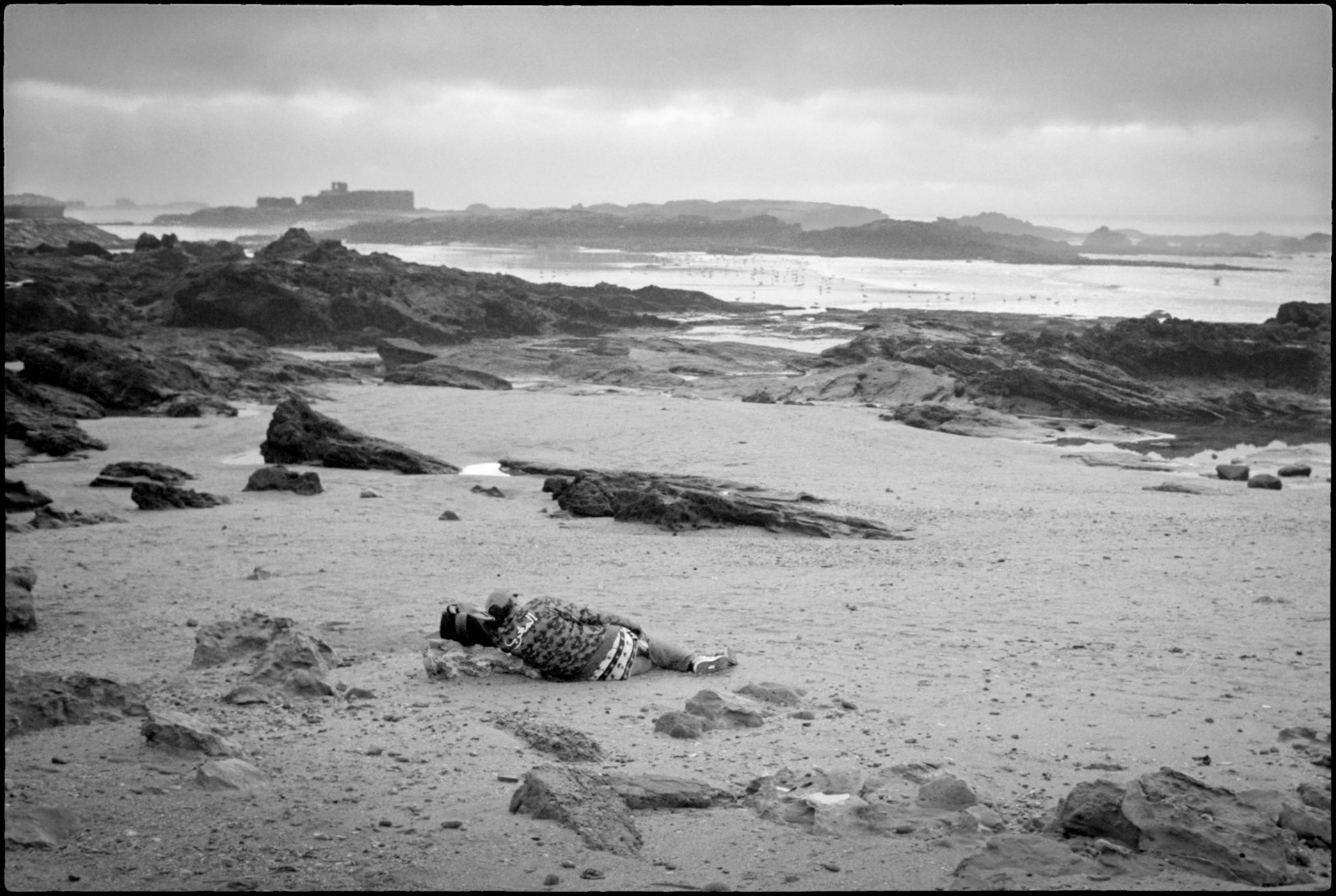
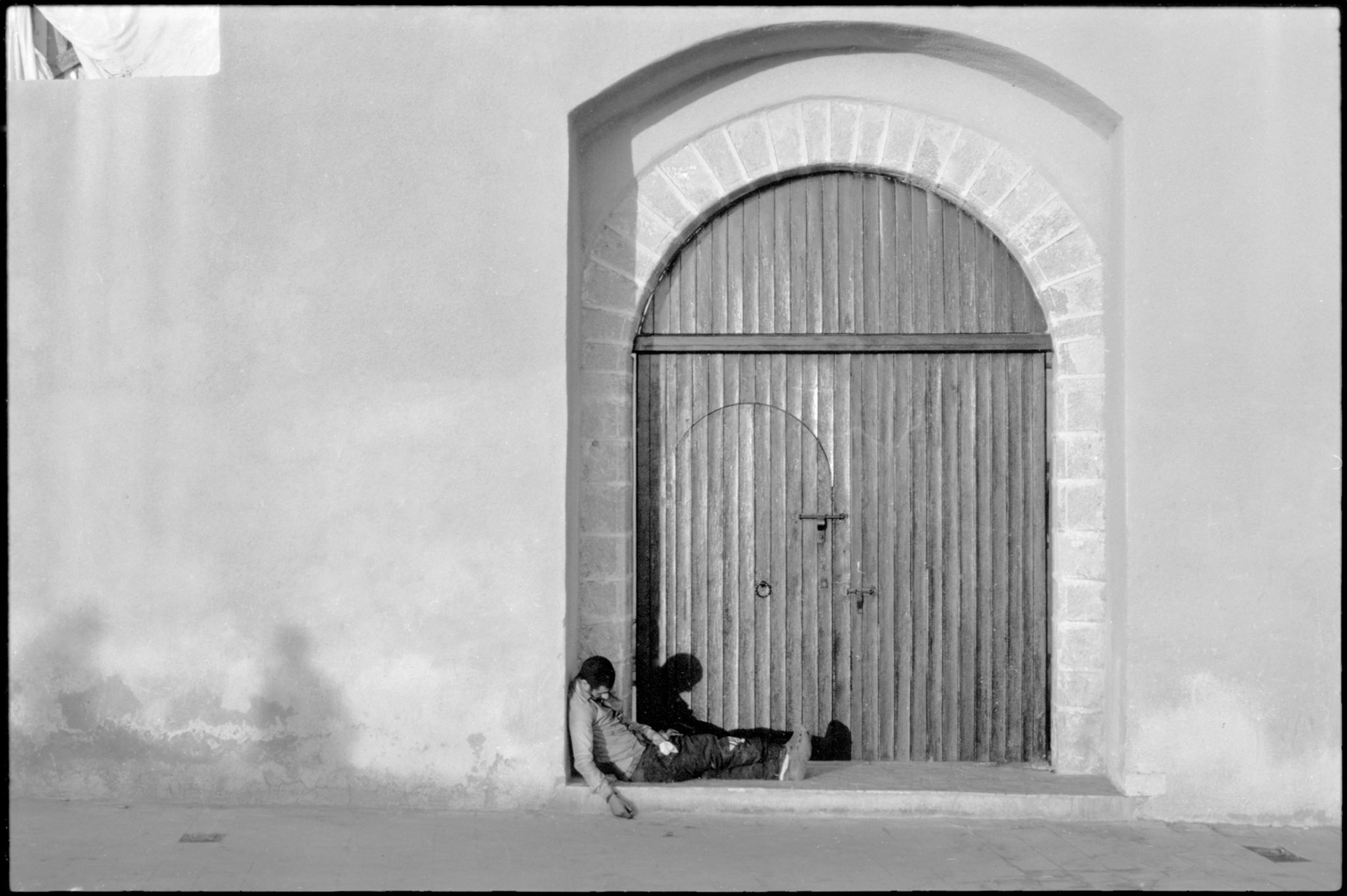
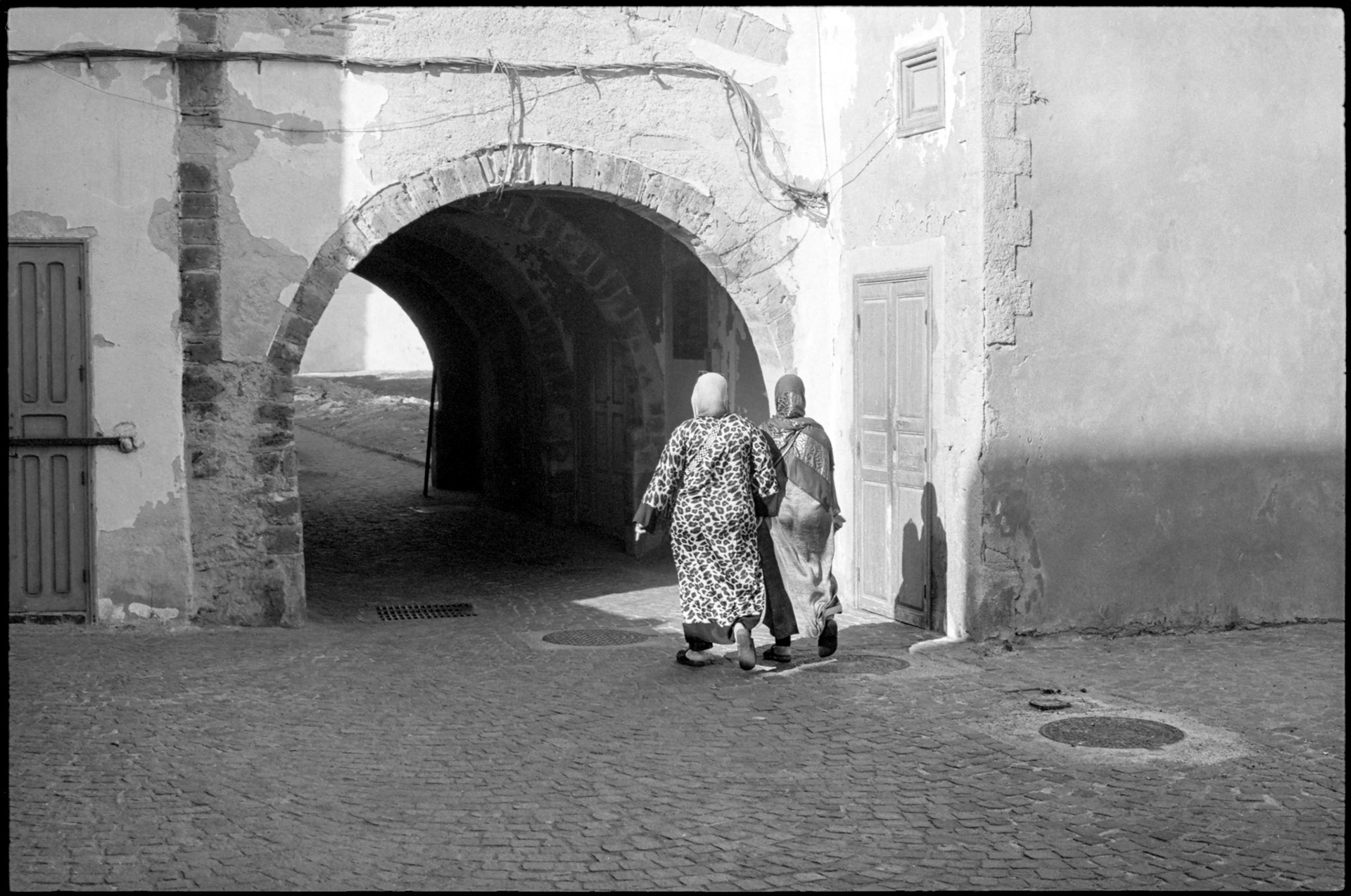
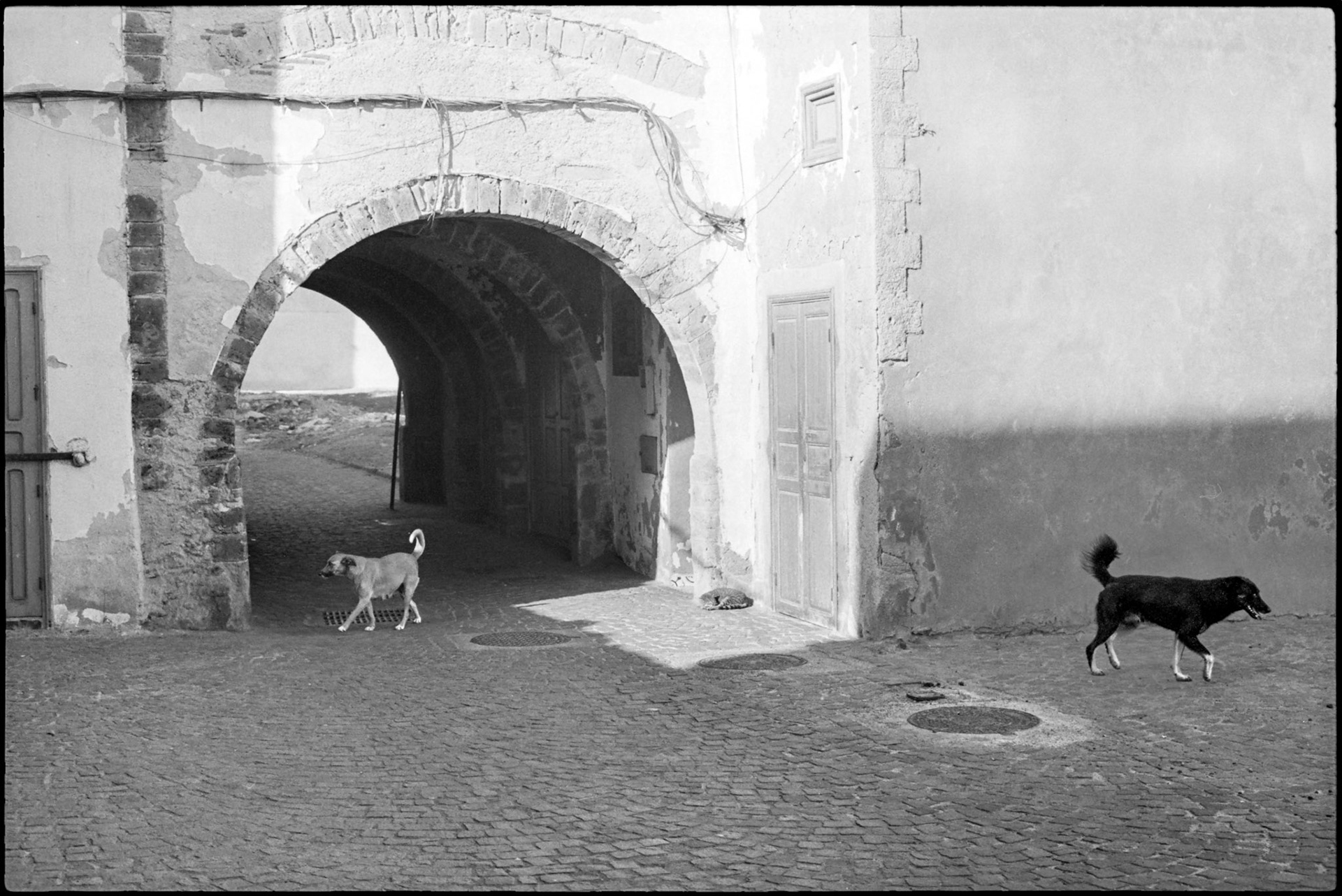
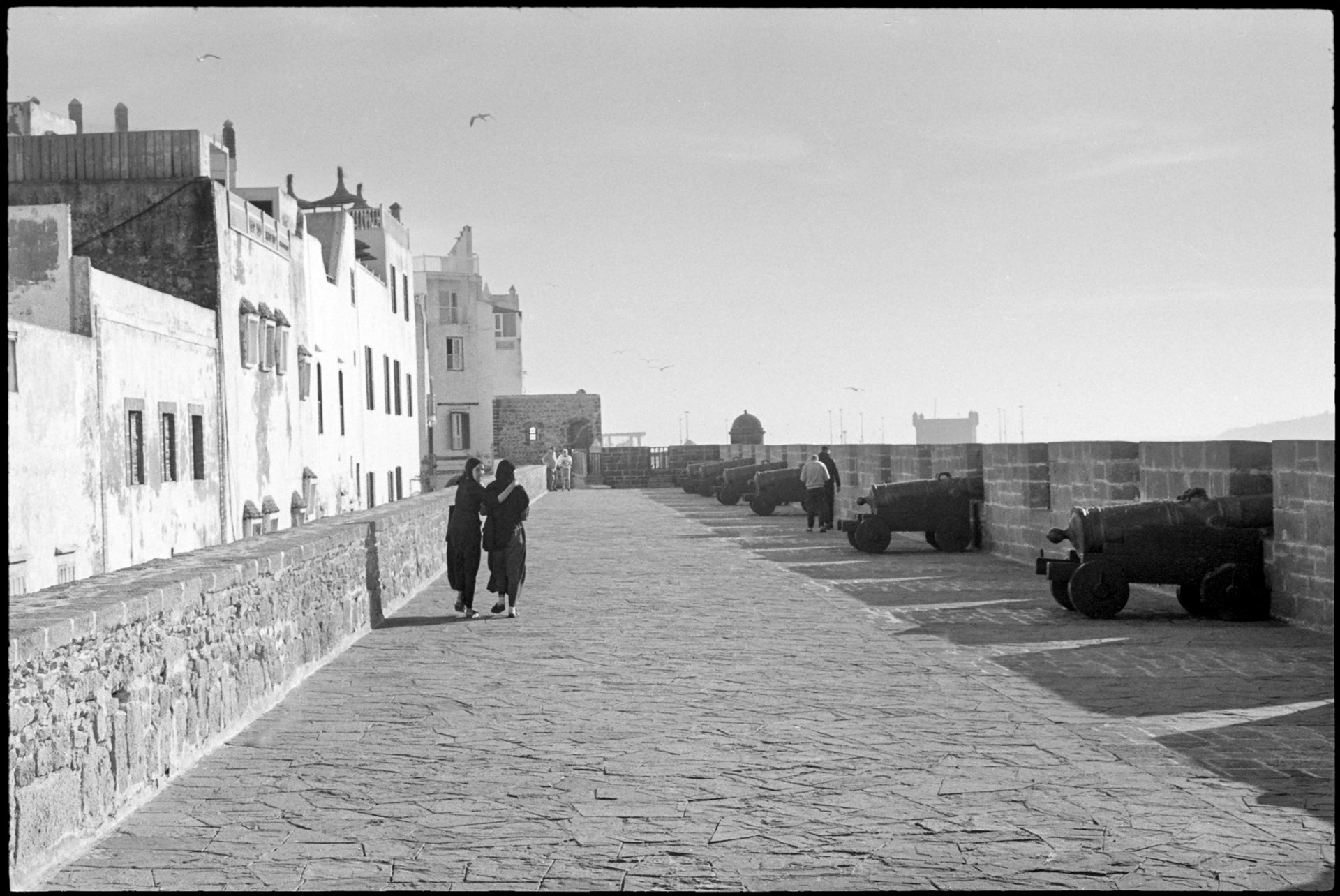
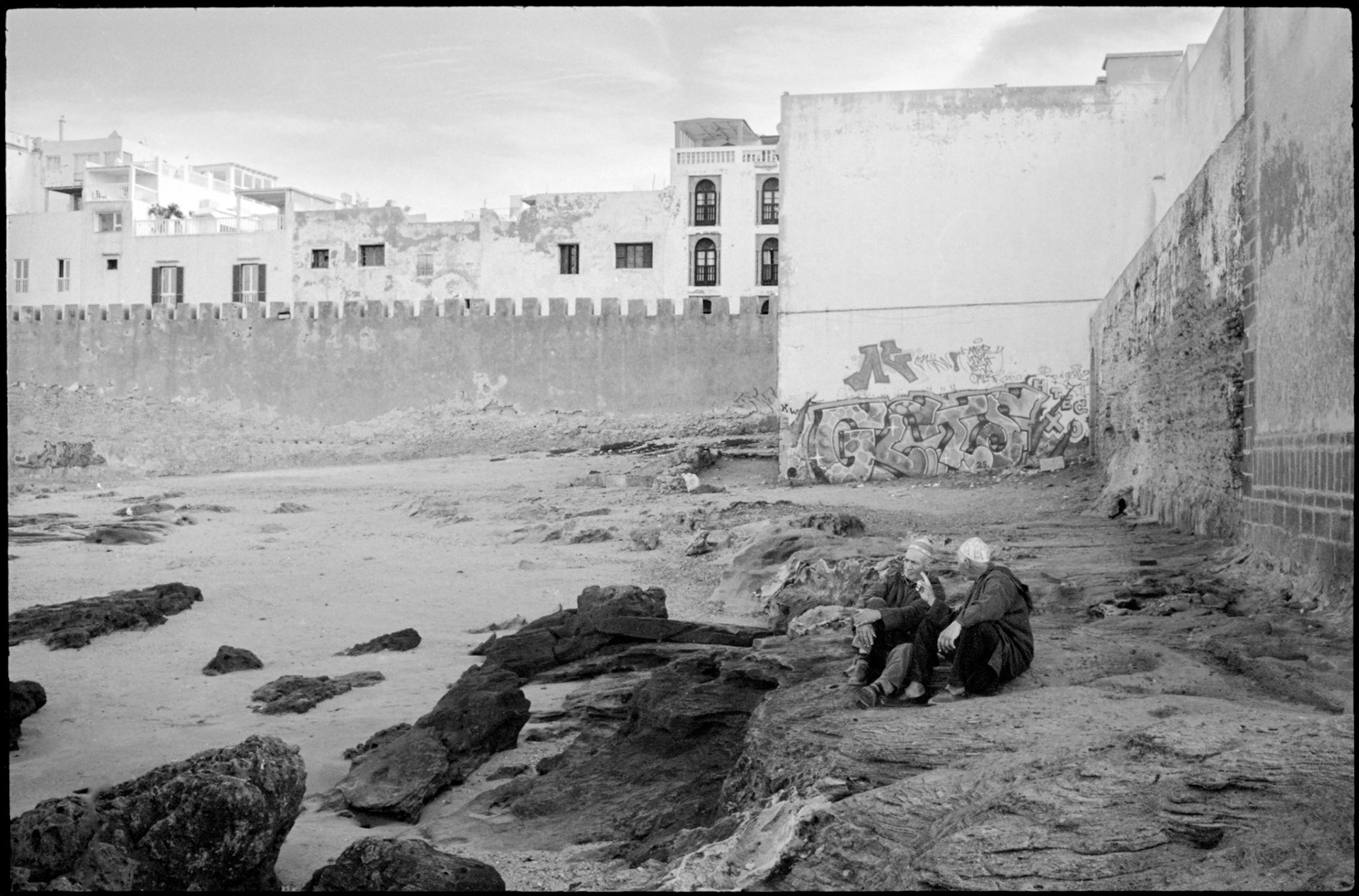
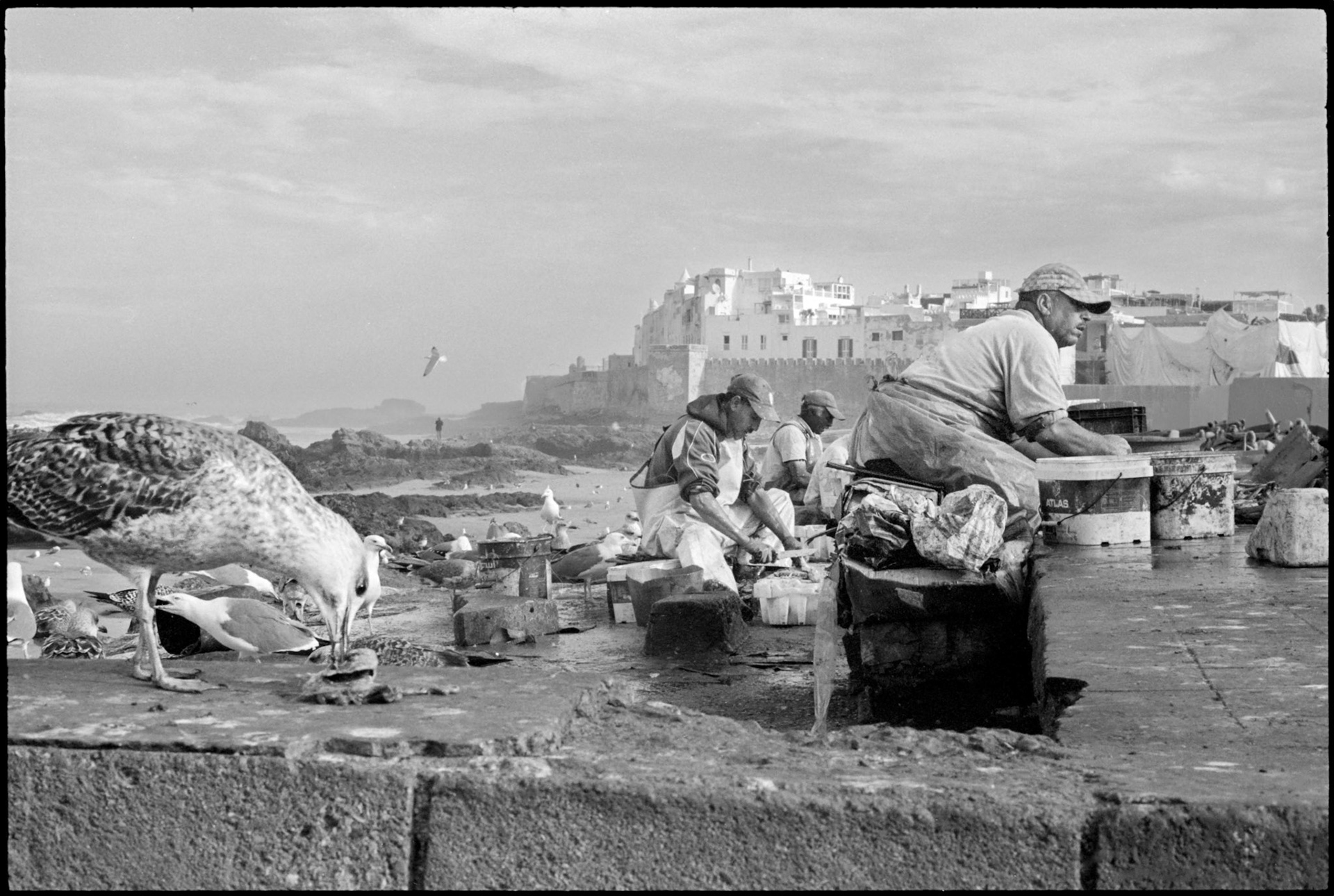
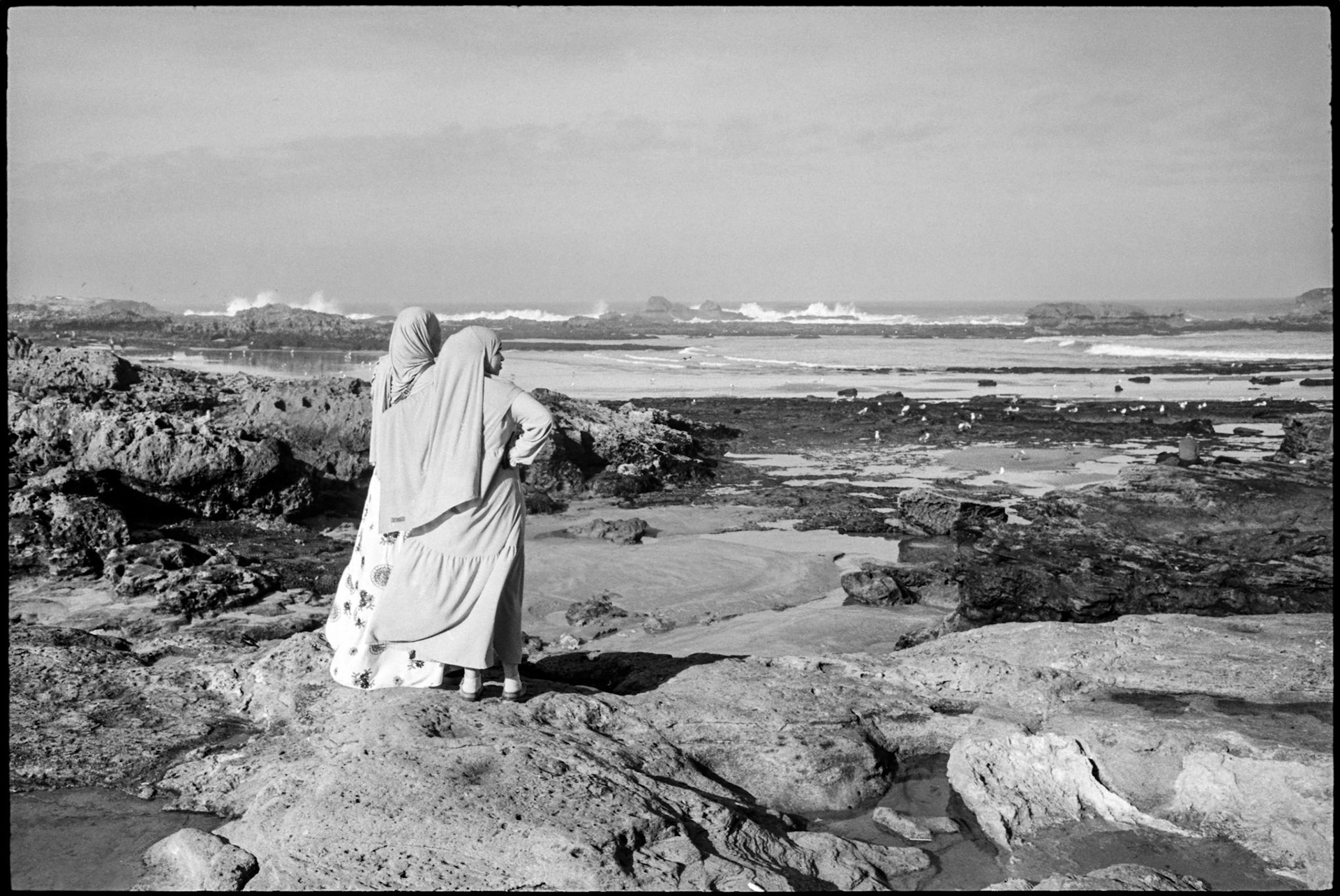
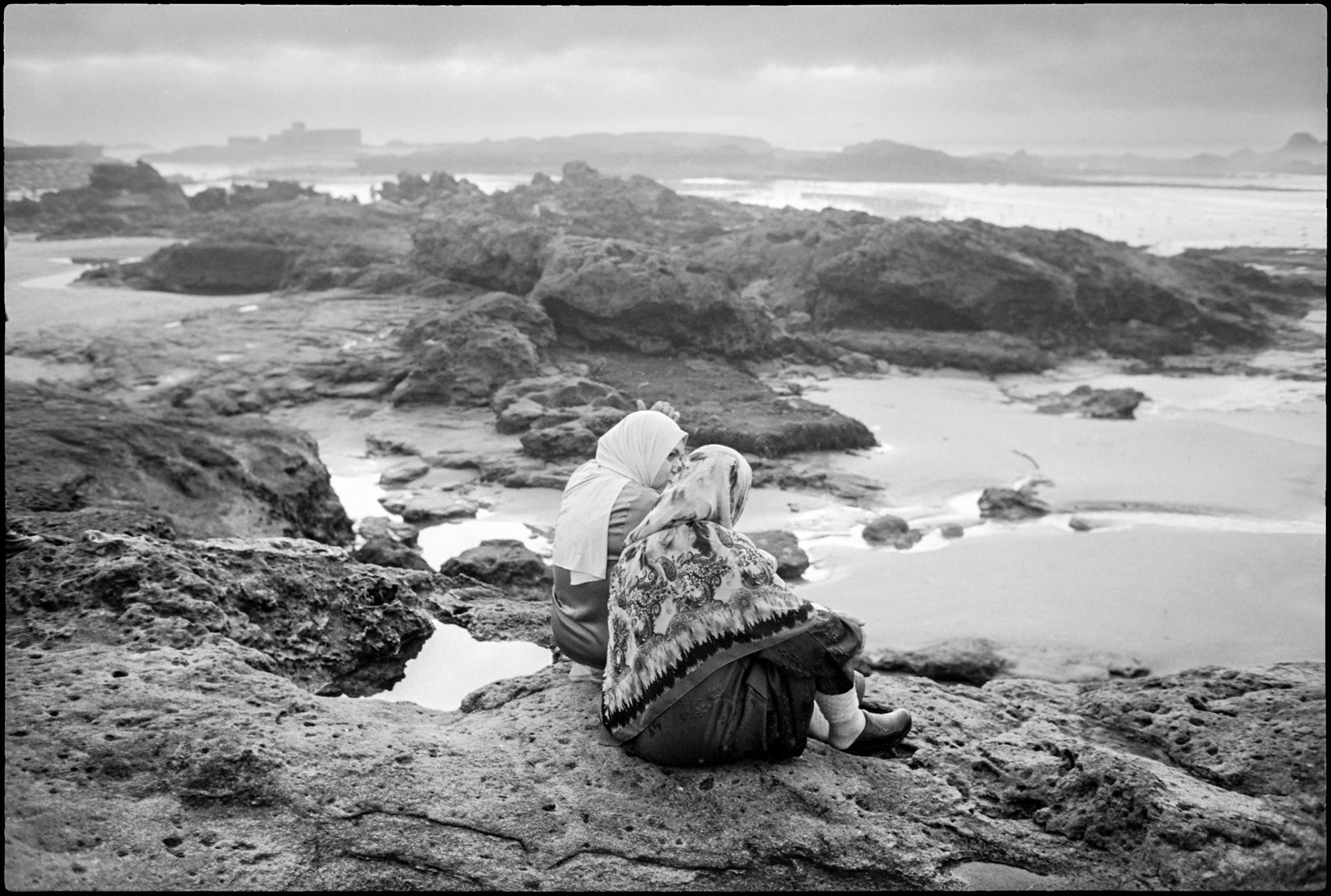
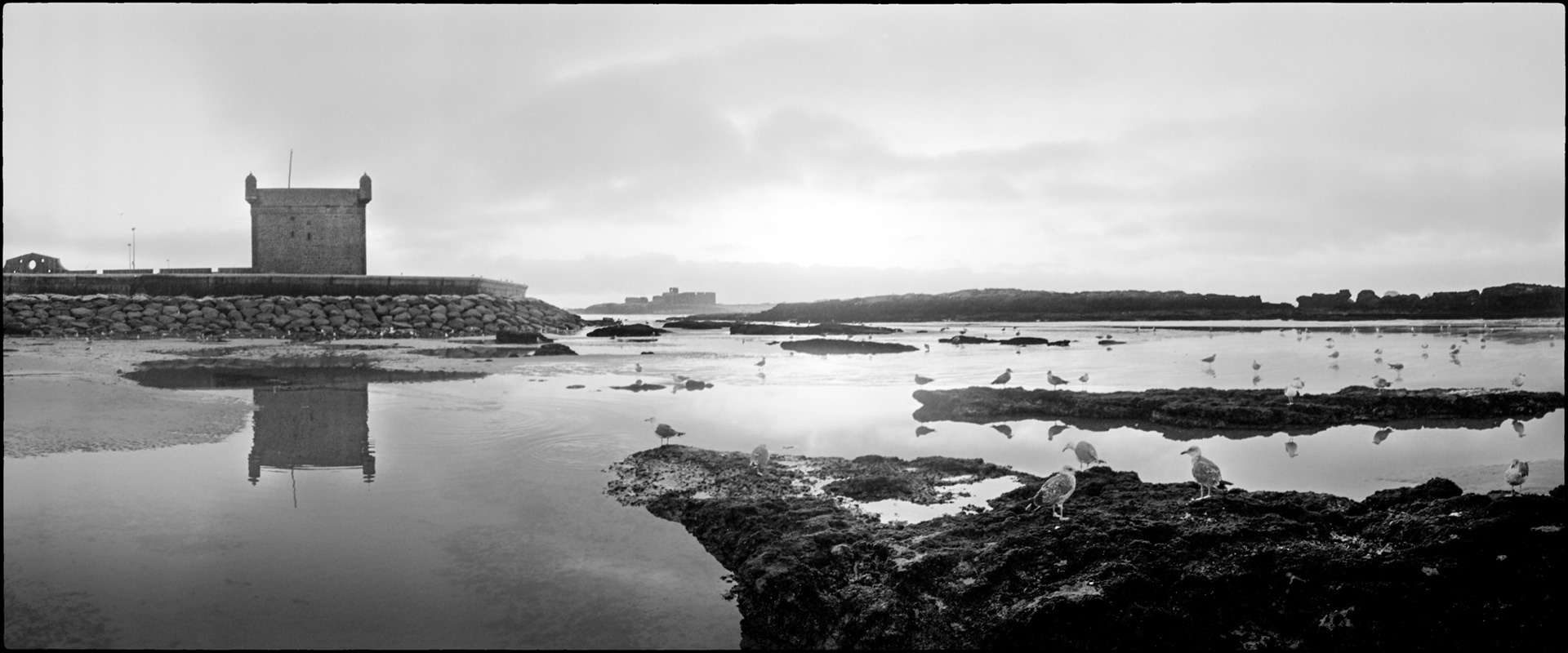
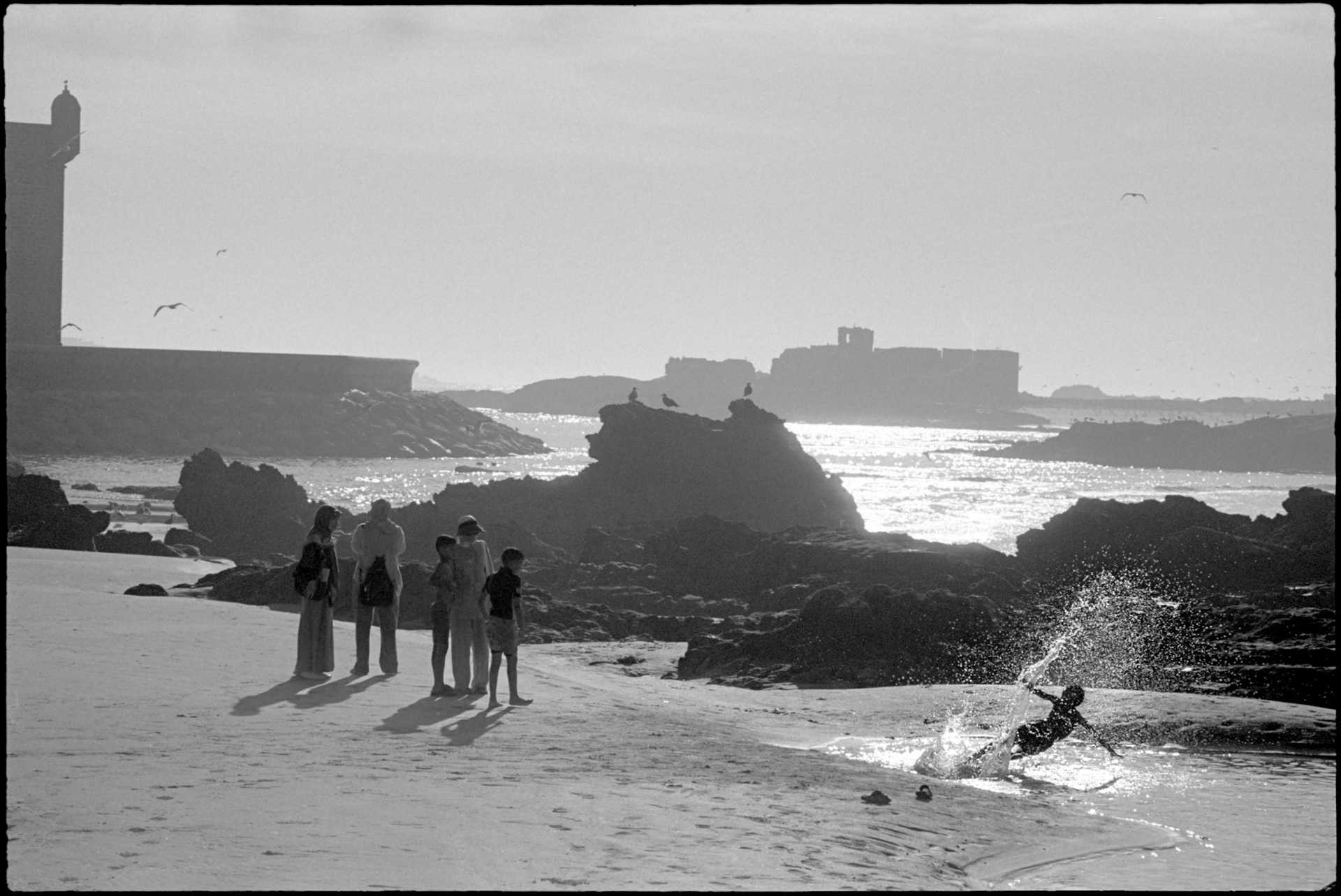
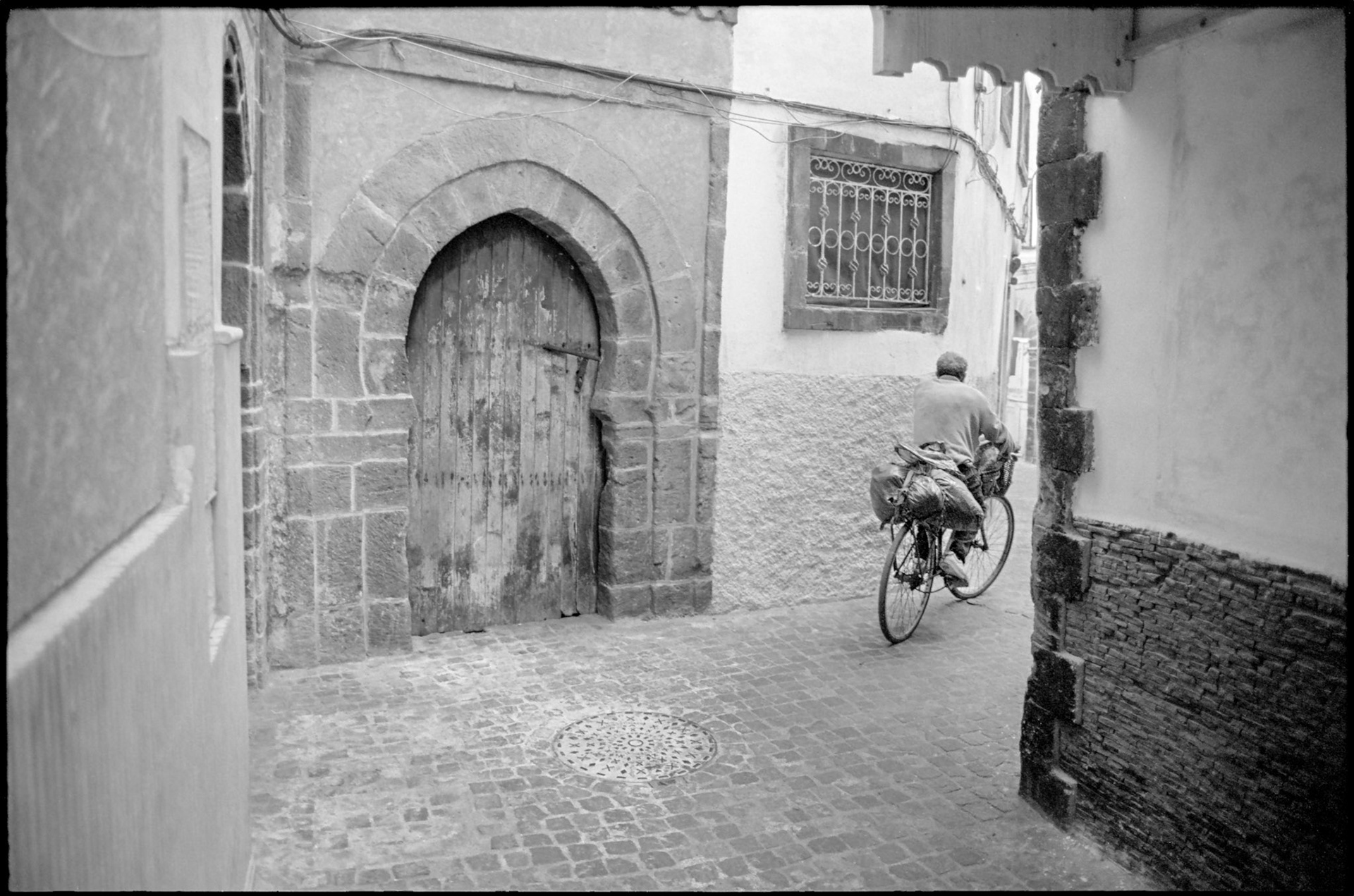
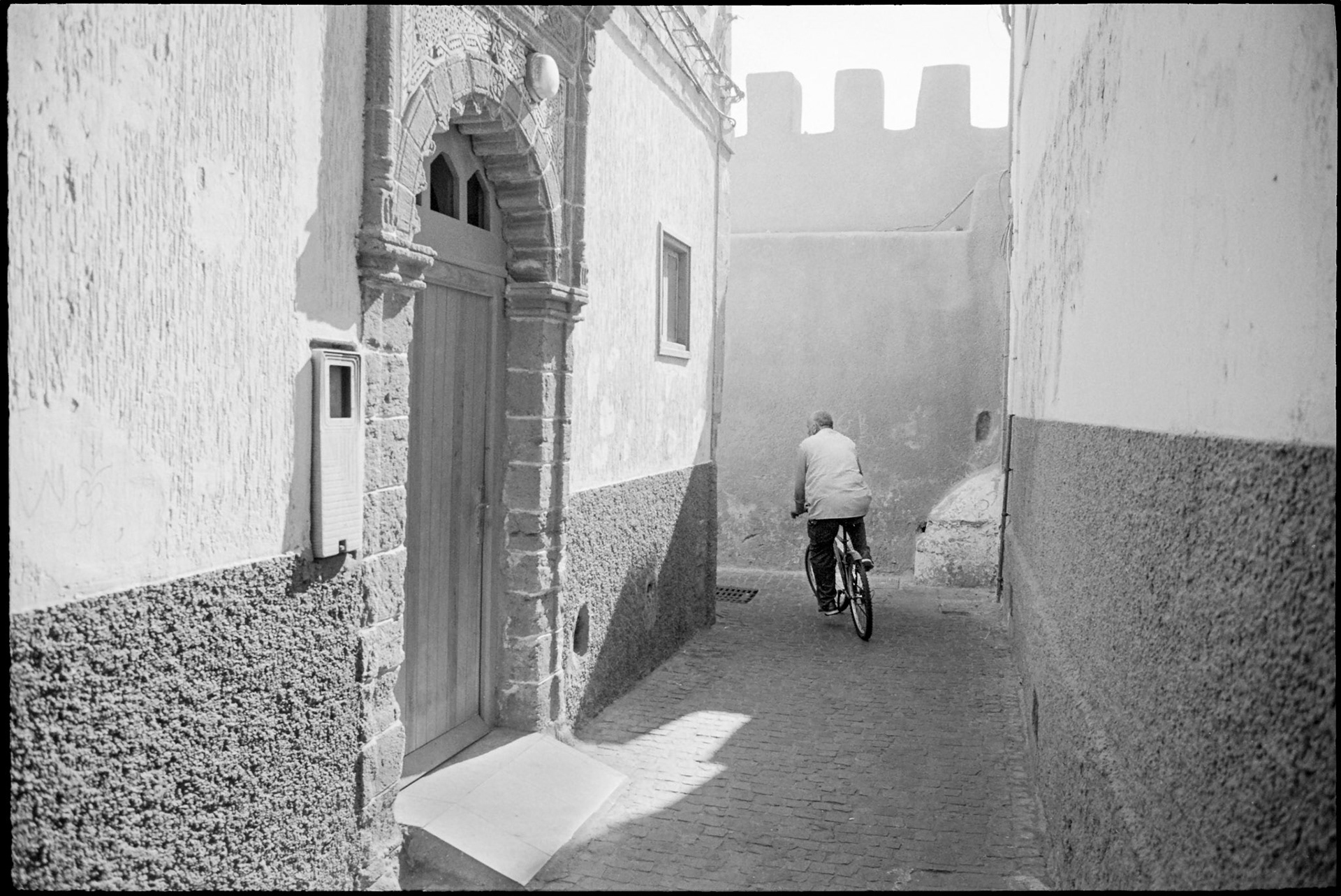
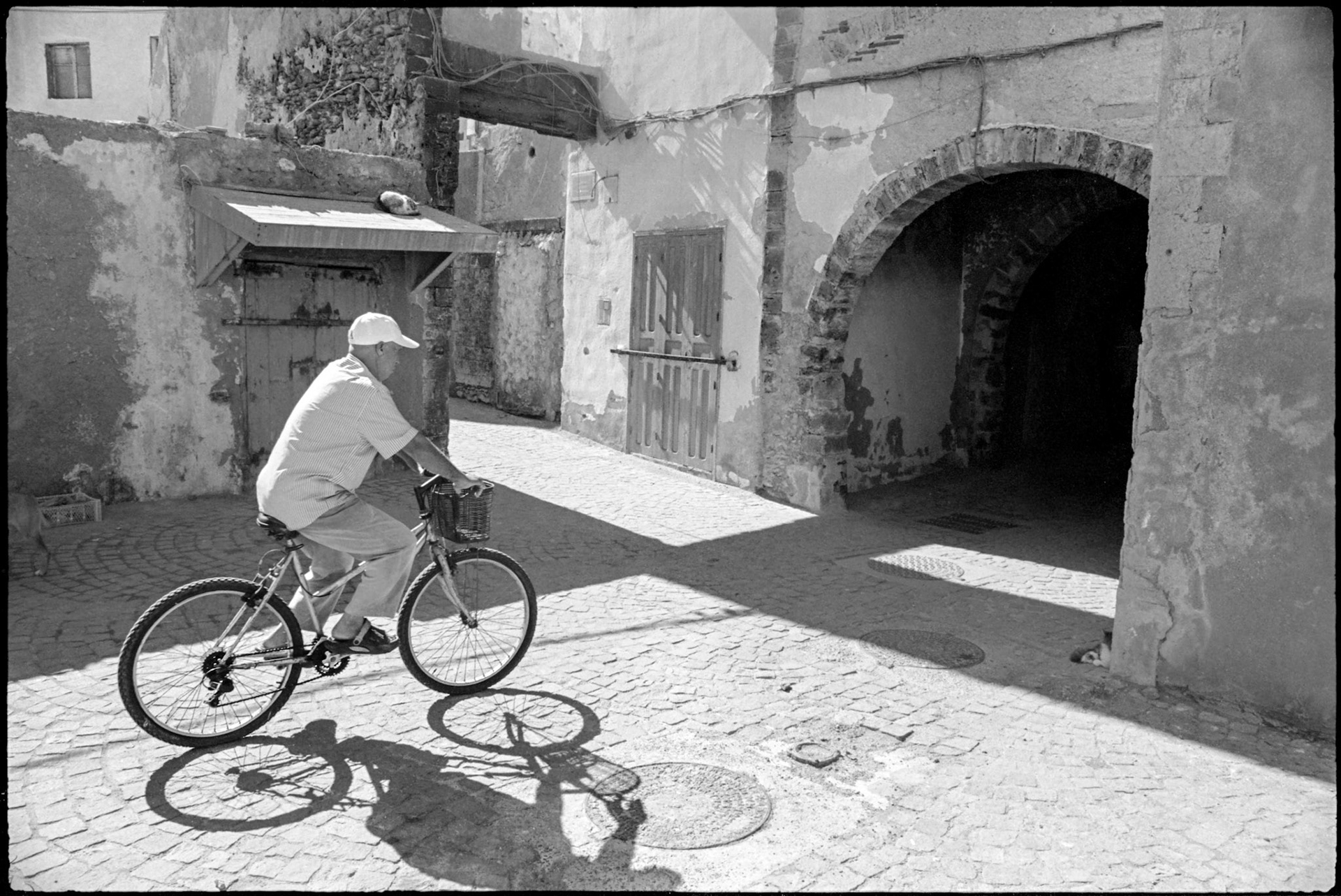
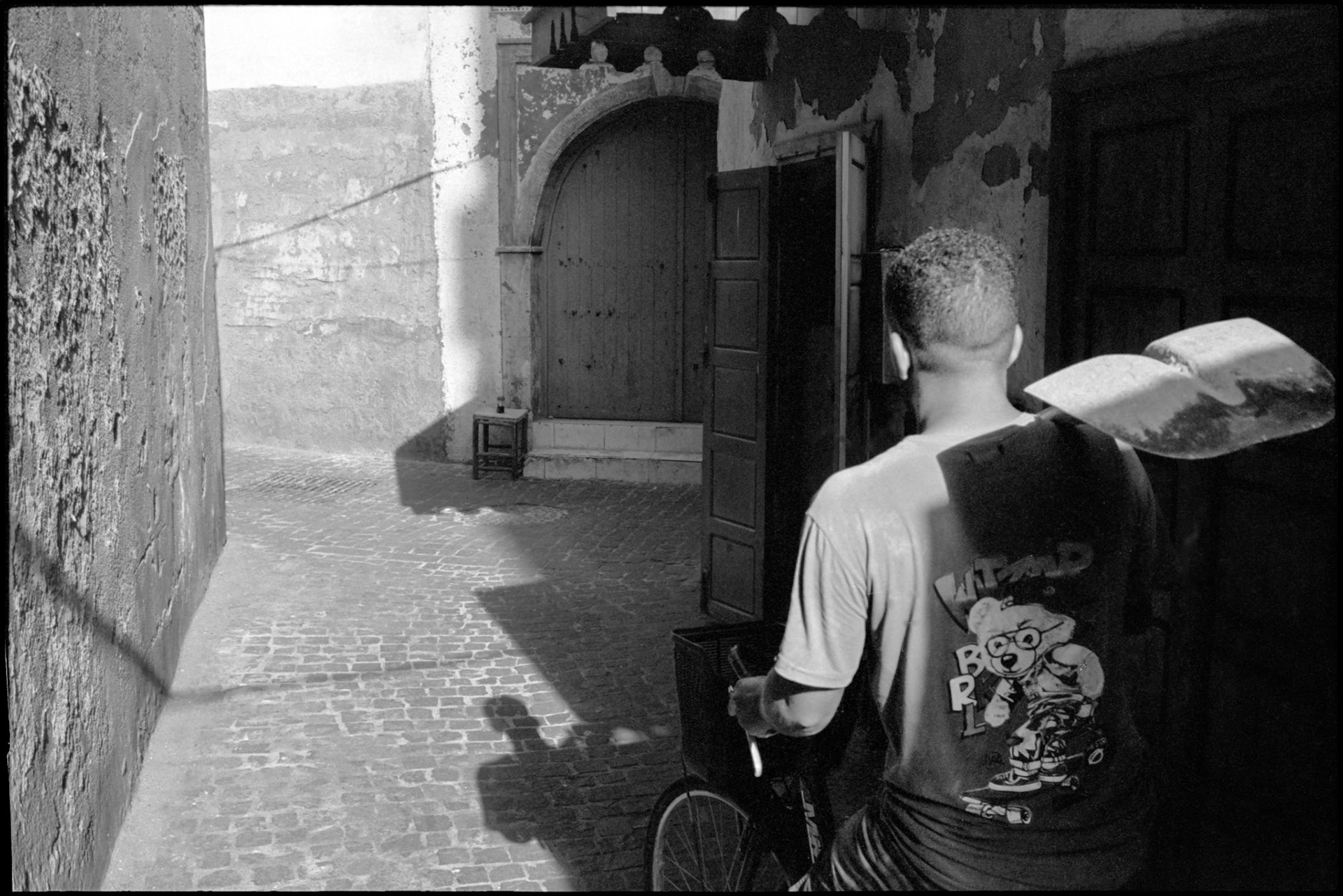
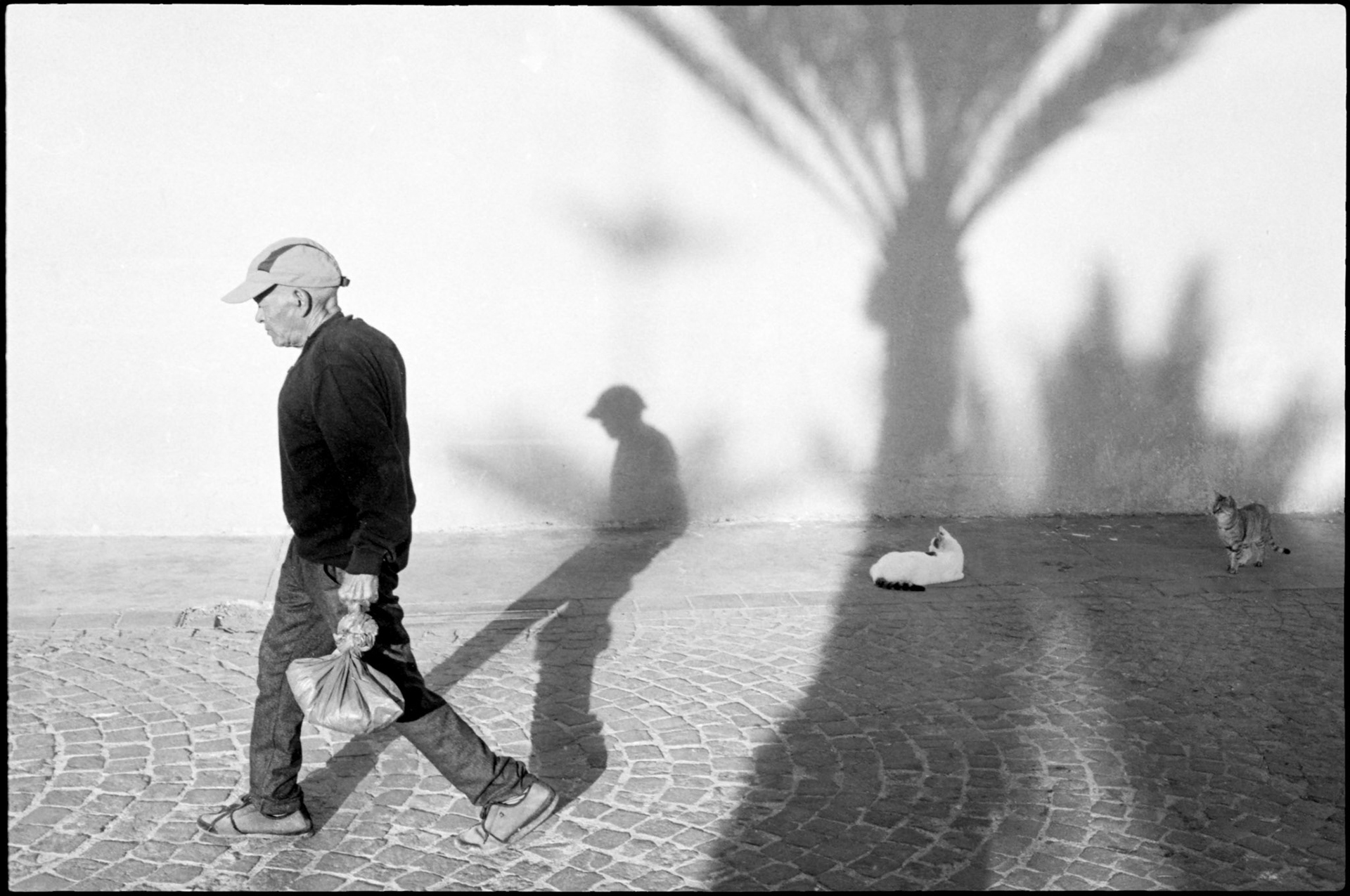
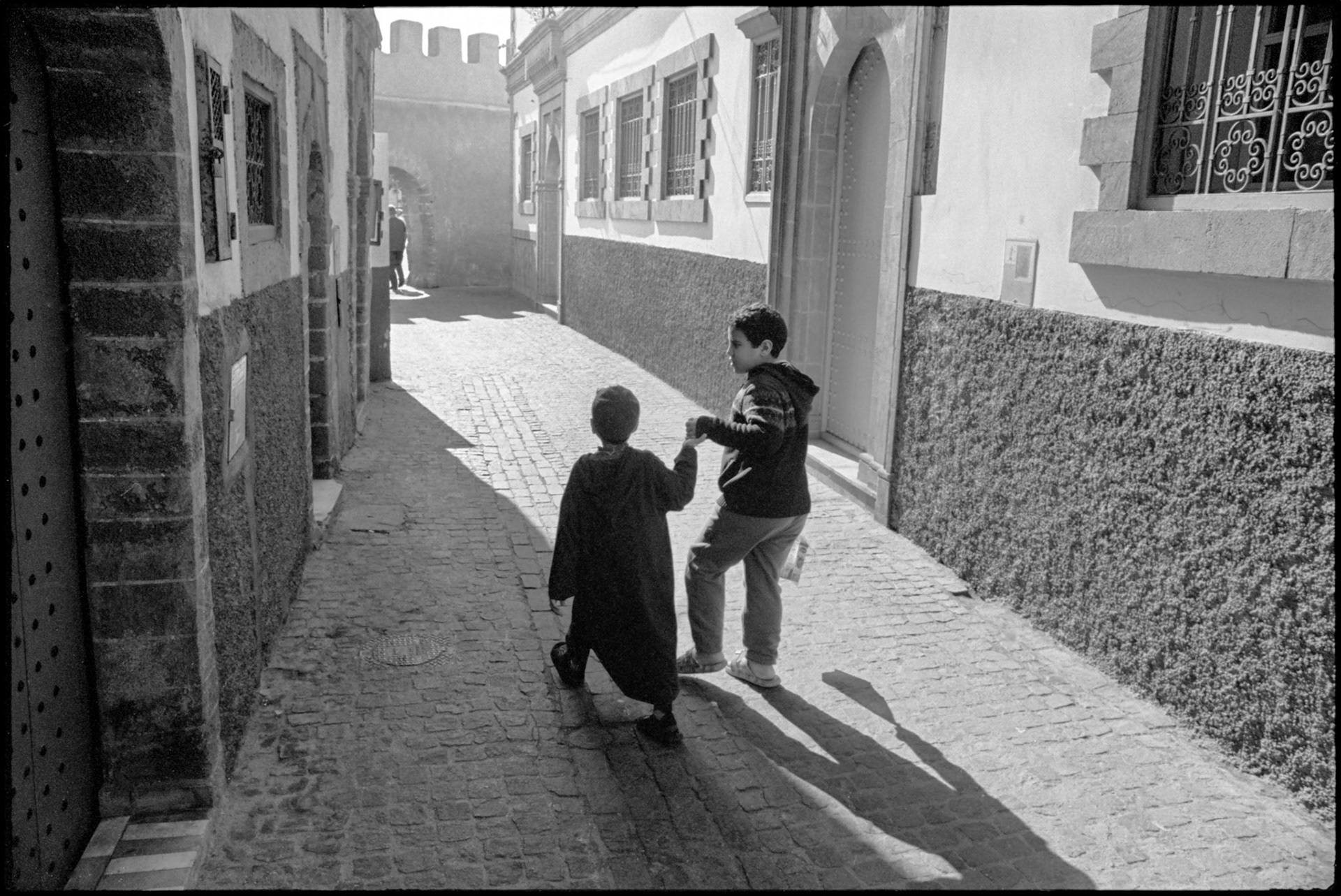
The Places That Remain My first long journey abroad was to Morocco. It was 1984 and I was sixteen. My father and I rode there on a tandem bicycle, a machine that attracted more attention than either of us. We pedalled from Germany through France and Spain, and then the Strait delivered us into a different world. I returned in 1987 with two friends from my army days. None of us had a plan. We believed that if you simply kept moving, something interesting would happen. Usually it did. Marrakesh greeted us first, and the Djemaa el Fna, the main square in the medina, in those days felt like a travelling circus that had decided to settle permanently. Acrobats somersaulted, storytellers held forth to crowds of men, and clouds of charcoal smoke drifted through the air like a veil. Marrakesh at that time felt entirely itself, unpolished, loud, and intoxicating. There was a rawness to it all, as if the city breathed through fire and rhythm. Essaouira provided a contrast. It felt like a counter-rhythm to the intensity of Marrakesh. The wind off the Atlantic softened everything. The harbour carried the familiar mix of fish, salt, and diesel, and the fishermen unloaded the boats with wicker baskets, moving with the calm certainty of men who had done the same work since childhood. The city moved at its own pace, indifferent to visitors. In 2002 I returned once again. Much had changed, but the essence remained. There were more tourists, but there were also long stretches of the medina where the past seemed still intact. I could walk for hours with my camera, unnoticed. People laughed, waved, or ignored me entirely. Morocco, it seemed, had held on to its pulse. The medinas of Marrakesh and Essaouira still felt lived-in rather than curated. In November 2025 I went back again for a week. If you want to feel old, carry film cameras through a crowd of people photographing their lunch with their mobile phones. Still, I liked the slowness of film. It forces you to think, which is both its charm and its punishment. Every frame must be earned. Marrakesh surprised me. The Djemaa el Fna was under reconstruction, partly fenced in like an archaeological dig. Tourists moved around in long chains behind guides who held flags as if conducting school trips. The souks were so crowded that at times I felt I was being funnelled through a human pipeline. It felt at times like a city performing itself for outsiders. My first reaction was irritation, so I walked. Day after day. I followed instinct rather than streets. And gradually, Marrakesh revealed itself again. In the evenings the Djemaa el Fna came alive, more orderly than before, perhaps, but still with its own pulse, smoke from the grills, a few musicians, the deliberate choreography of food stalls setting up for the night. Marrakesh had not vanished. It had simply become better at hiding. Essaouira had changed as well. I travelled by bus from Marrakesh and stayed in a small riad in the medina. The harbour was busy and loud, more so than before. Wicker baskets had been replaced by plastic crates. The boats were larger and more numerous. Progress, depending on how you define it. But the fundamentals remained. Fishermen repairing nets in the early morning light, boys running messages along the quay, gulls circling overhead with the same hunger as always. In the Mellah, the old Jewish quarter, the narrow lanes still carried the feeling of an older Essaouira that did not need to announce itself. Certain corners of the medina still carried the scent of cedar, salt, and metal. People were more cautious about cameras, and I cannot blame them. I asked for permission when I could and worked discreetly when I could not. Photography is always a negotiation between what you want to see and what others allow you to see. When I returned to Marrakesh from Essaouira for my final day, I felt uncertain. I wondered whether the Morocco I had carried with me for decades had slipped away. But as I walked again through the medina, I realised that the country had simply become layered. The older Morocco is still there, although you need to search for it. Places change, sometimes irritatingly, sometimes amusingly, and often in ways that tell you as much about yourself as about them. These photographs are an attempt to find what continues to endure beneath the surface, waiting for anyone willing to look a little harder. Most images were taken during my visit in 2025, with a few from 2002 included as well. You may notice them, or you may not, which is part of the pleasure.